7 Clear Signs It’s Time to Schedule a Septic Tank Pump-Out
Septic tanks don’t last forever without maintenance. Over time, solids accumulate in the tank and reduce its capacity, which can lead to backups, odors, and costly system damage. Many homeowners don’t realize there’s a problem until warning signs become severe.
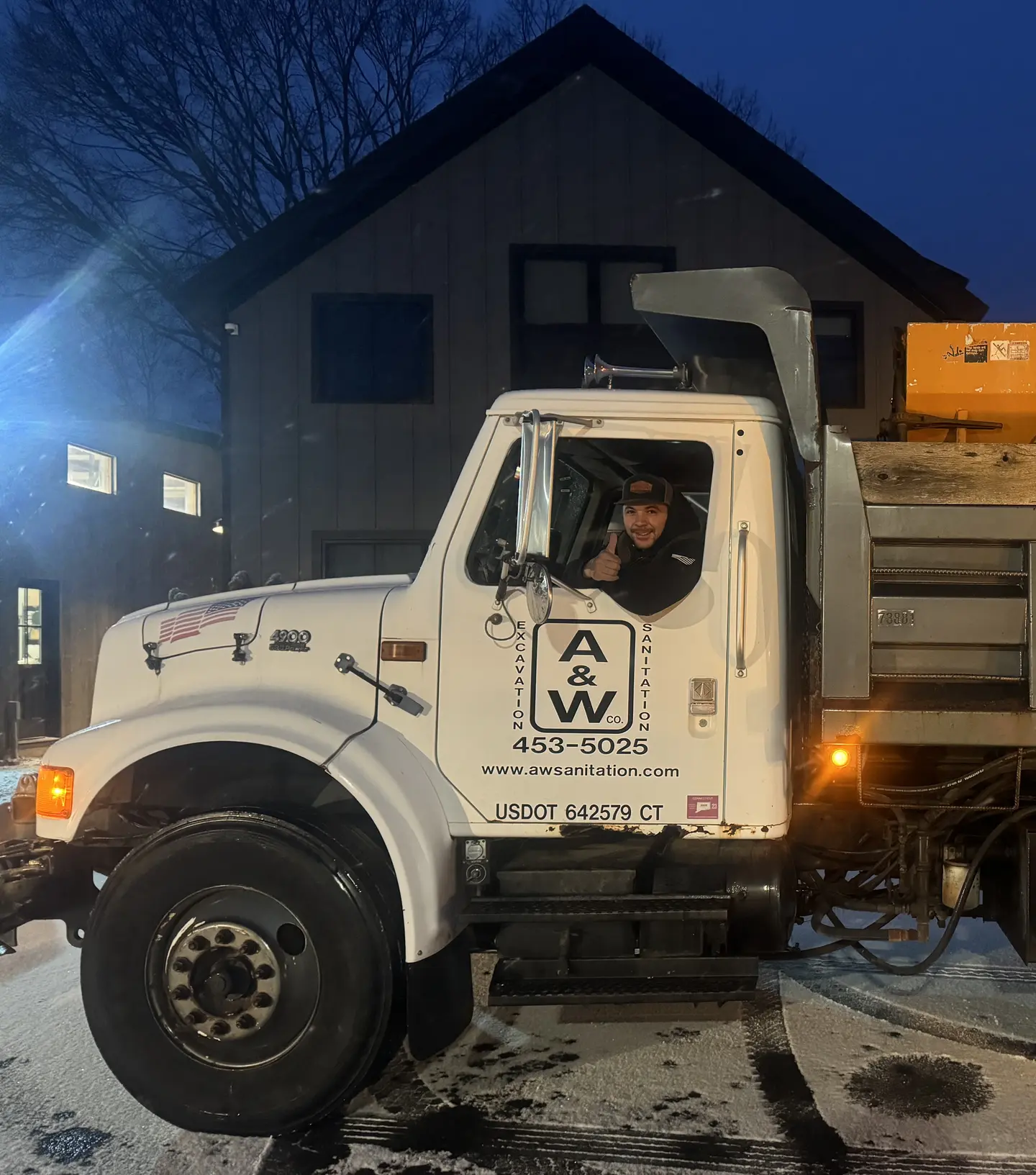
At A&W Sanitation & Excavation, we help homeowners identify early indicators that their septic tank needs pumping. This guide explains the most common signs to watch for and how timely service can prevent expensive repairs.
Why Regular Septic Pumping Is Important
A septic tank separates solids from wastewater and allows treated water to flow into the drain field. When the tank becomes too full, solids can escape into the drain field, causing clogs and long-term damage.
Routine pumping helps:
Prevent backups and slow drains
Protect the drain field from failure
Extend the lifespan of the septic system
Maintain safe and sanitary conditions
Recognizing early warning signs can help you schedule service before problems escalate.
7 Clear Signs It’s Time to Pump Your Septic Tank
1. Slow Drains Throughout the House
If sinks, tubs, and showers are draining slowly—even after cleaning the drains—the issue may be a full septic tank restricting wastewater flow.
2. Sewage Odors Indoors or Outdoors
Persistent unpleasant smells near drains, the yard, or the septic tank area often indicate the tank is nearing capacity or gases are escaping.
3. Pooling Water Near the Drain Field
Standing water or damp soil in the yard, especially in dry weather, may signal the tank is full and wastewater isn’t being absorbed properly.
4. Gurgling Sounds in Pipes
Unusual noises from toilets or drains can occur when air is trapped in the plumbing due to restricted wastewater movement.
5. Backups in Toilets or Drains
Wastewater backing up into sinks, tubs, or toilets is a serious warning sign that the tank may be full or the system is under stress.
6. Lush or Extra-Green Grass Over the Drain Field
Grass growing faster or greener than the surrounding yard can indicate excess wastewater or nutrients leaking from the system.
7. It’s Been 3–5 Years Since Your Last Pumping
Even if no visible problems are present, most septic tanks require pumping every three to five years depending on usage and household size.
How to Prevent Septic Problems
Proper maintenance reduces the risk of emergencies and costly repairs.
1. Follow a Pumping Schedule
Regular pumping is the most effective way to keep your septic system working properly.
2. Use Water Efficiently
Spreading out laundry and heavy water use prevents overloading the tank.
3. Be Careful What You Flush
Avoid wipes, grease, paper towels, and harsh chemicals that can disrupt bacterial activity.
4. Protect the Drain Field
Keep vehicles, heavy equipment, and structures away from the drain field area.
5. Schedule Routine Inspections
Periodic inspections help detect developing issues before they become serious.
6. Install a Riser for Easier Access
Risers make inspections and pumping faster, cleaner, and less disruptive.
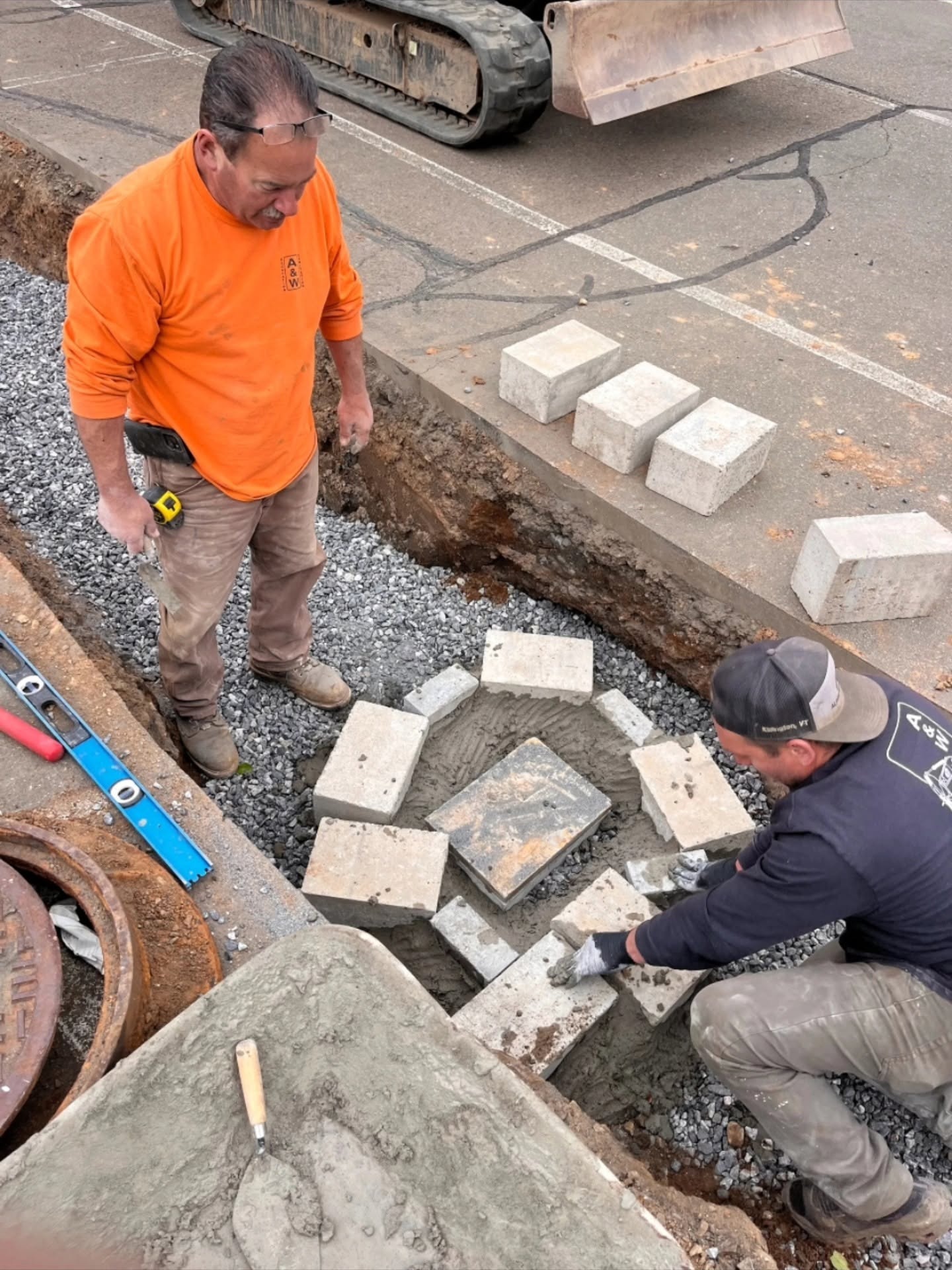
How A&W Sanitation & Excavation Helps Homeowners
Keeping your septic system in good condition requires more than occasional pumping. Our team provides:
Full septic inspections
Preventative tank pumping
Filter and baffle cleaning
Drain field evaluation and grading adjustments
Troubleshooting slow drains and backups
Riser installation for convenient service
Our goal is to help homeowners maintain reliable septic systems and avoid unexpected failures.
FAQ Section
Q1: How often should a septic tank be pumped?
Most septic tanks should be pumped every 3–5 years, though high usage households may require more frequent service.
Q2: Can I wait until there’s a problem before pumping?
Waiting can lead to backups or drain field damage. Preventative pumping is far less expensive than repairs.
Q3: What happens if a septic tank gets too full?
Solids can enter the drain field, causing clogs, system failure, and costly restoration work.
Q4: How long does a septic pump-out take?
Most residential pump-outs take one to two hours, depending on tank size and accessibility.
Q5: How do I schedule a septic tank pump-out?
Contact A&W Sanitation & Excavation to schedule service, and our team will recommend the right maintenance plan for your system.