Septic Tank Risers in Connecticut: Rules & Winter Prep Guide
How Septic Tank Risers Improve Access Before Winter
Septic tank risers provide easier access to underground tank openings for routine pumping, inspections, and maintenance. For Connecticut homeowners, installing risers before winter can reduce access difficulties caused by snow-covered ground and frozen soil. However, installations must comply with Connecticut Department of Public Health (CT DPH) Technical Standards governing tank access, risers, covers, and secondary safety devices.
This guide explains Connecticut's septic tank riser requirements, cover safety provisions, installation considerations, and winter preparation, along with how A&W Sanitation helps homeowners maintain accessible septic systems.
1. What Are Septic Tank Risers and Why Are They Important?
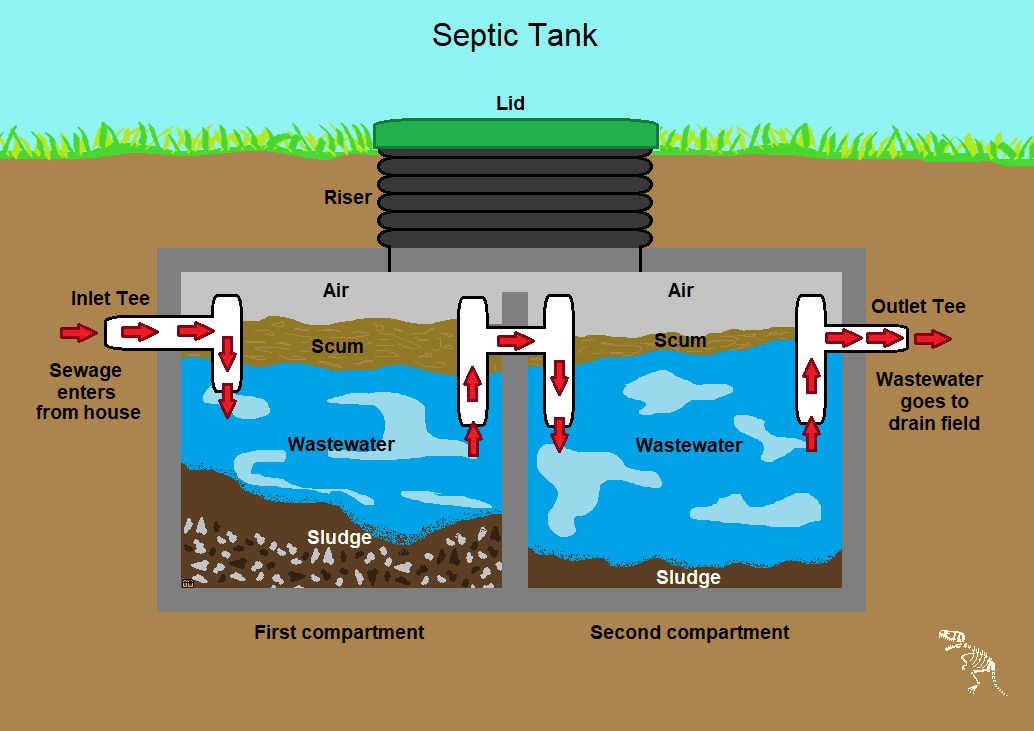
A septic tank riser is an extension installed over a tank access or cleanout opening to bring it closer to ground level. This allows technicians to access buried tank covers without repeatedly excavating the surrounding soil.
Key benefits include:
- Easier Pumping: Provides convenient access for routine septic tank cleaning.
- Simpler Inspections: Makes tank components and effluent filters easier to access.
- Less Excavation: Reduces repeated digging around buried access points.
- Improved Accessibility: Makes tank openings easier to locate throughout the year.
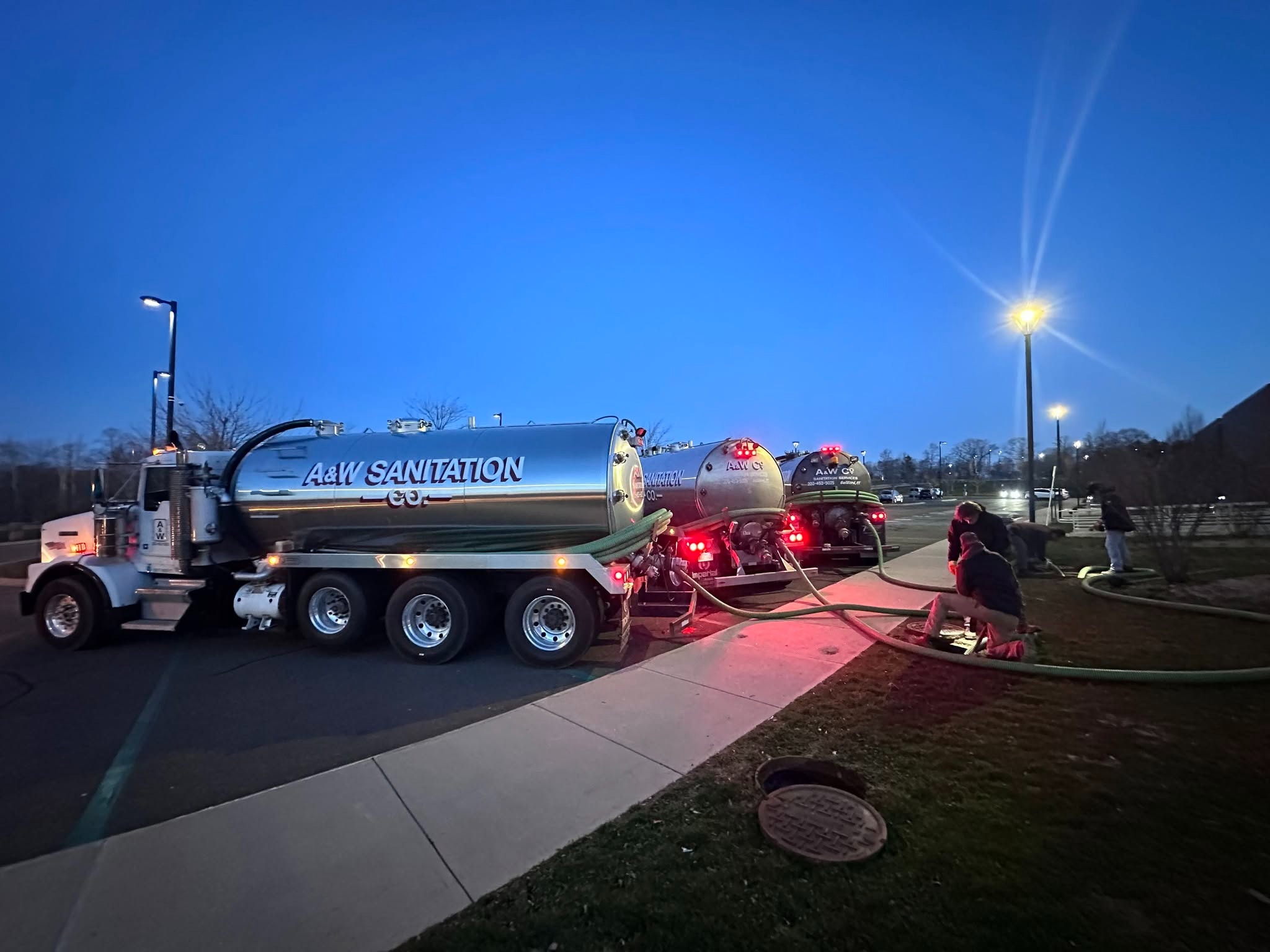
Proper access can make routine maintenance more efficient. A&W Sanitation provides professional septic tank pumping services in Connecticut to help homeowners maintain their systems.
2. When Are Septic Tank Risers Required in Connecticut?
Connecticut's Technical Standards for Subsurface Sewage Disposal Systems, effective September 1, 2026, establish specific requirements for septic tank access. Section 8.1.6 addresses cleanout openings, access risers, tank covers, and related safety provisions.
The requirements include:
- Cleanout Depth: Cleanout manholes must be located no more than 12 inches below final grade.
- Riser Requirement: The standard states: "New and existing septic tanks that exceed the 12 inch depth shall be retrofitted with a cleanout riser(s)." Riser retrofits are not required for non-cleanout openings, such as baffle openings, unless the opening provides access to an effluent filter.
- Deep Tank Access: New and existing septic tanks without a riser and deeper than 24 inches below finish grade must have access risers with a minimum 24-inch inside diameter over each cleanout manhole opening.
- Opening Dimensions: Cleanout openings must have a minimum 17-inch inside diameter and be located directly over the inlet baffle and effluent filter.
- Tank Cover: Septic tanks must have a minimum of six inches of cover.
Requirements should be evaluated according to the configuration and depth of each septic tank. Homeowners can consult the Connecticut Technical Standards for Subsurface Sewage Disposal Systems, effective September 2026, for complete specifications.
3. Riser Cover Weight and Secondary Safety Requirements
Section 8.1.6 establishes requirements for riser covers and secondary safety protection. Section 4, Definition S, defines the secondary safety device and its required load-bearing capacity.
The requirements include:
- 59-Pound Requirement: Covers flush with or above grade must weigh at least 59 pounds or have a locking system to prevent unauthorized entry.
- 100-Pound Threshold: If a riser cover weighs less than 100 pounds, the original tank cover must remain in place or a secondary safety lid or device must be provided.
- 200-Pound Secondary Safety Requirement: Under Definition 4.S, a commercially manufactured secondary safety device must withstand a minimum 200-pound dead load.
- Riser Cover Material: Riser cover assemblies must be made of concrete or another durable material.
- Installation: Secondary safety devices must follow manufacturer specifications and be installed as shallow as possible to facilitate maintenance.
The standard recommends leaving the original tank cover in place when riser assemblies are installed over cleanout openings for safety and odor control. It also recommends secondary safety devices even when riser covers weigh 100 pounds or more. Homeowners can verify these provisions in the Connecticut Technical Standards for Subsurface Sewage Disposal Systems, effective September 1, 2026 (Section 8.1.6, PDF pages 25–26, and Section 4, Definition S, PDF page 8).
4. Preparing Septic Tank Access Before Winter
Snow can conceal buried covers, while frozen ground can make excavation more difficult. Homeowners should prepare their septic access points before colder weather arrives.
Important steps include:
- Locate the Tank: Use property records or a qualified service provider to identify its location.
- Mark Access Points: Keep tank and leaching field locations identifiable after snowfall.
- Inspect Covers: Check that riser covers are properly positioned and secured.
- Check Drainage: Ensure surface water flows away from septic access areas.
A&W Sanitation recommends installing a riser when a tank cover is buried. Its Before the Frost: Septic System Maintenance Steps for Late Fall guide also covers system inspections, surface drainage, and marking tank and field locations before winter. The company confirms that it can install a riser to bring a buried cover to ground level.
Risers improve accessibility but do not prevent freezing or replace routine maintenance. Never enter a septic tank because hazardous gases and oxygen-deficient conditions can cause serious injury or death.
5. What Does Professional Riser Installation Involve?
Professional riser installation involves locating the tank, assessing its condition, measuring existing cleanout openings, and selecting compatible risers and covers.
Connecticut's standards also address structural and drainage requirements:
- Vehicle Loading: Septic tanks and their riser and cover assemblies located under vehicular travel areas must meet H-20 wheel-loading requirements, based on a two-axle truck with a vehicle weight of 20 tons.
- Stormwater Protection: Riser and manhole extensions to grade must be designed and constructed to prevent stormwater infiltration.
- Surface Drainage: Positive drainage away from manhole covers must be provided in paved areas.
These requirements help protect the tank structure and reduce unwanted water infiltration. Homeowners should confirm property-specific installation requirements with their local health department and a qualified septic professional.
6. How A&W Sanitation Helps Connecticut Homeowners
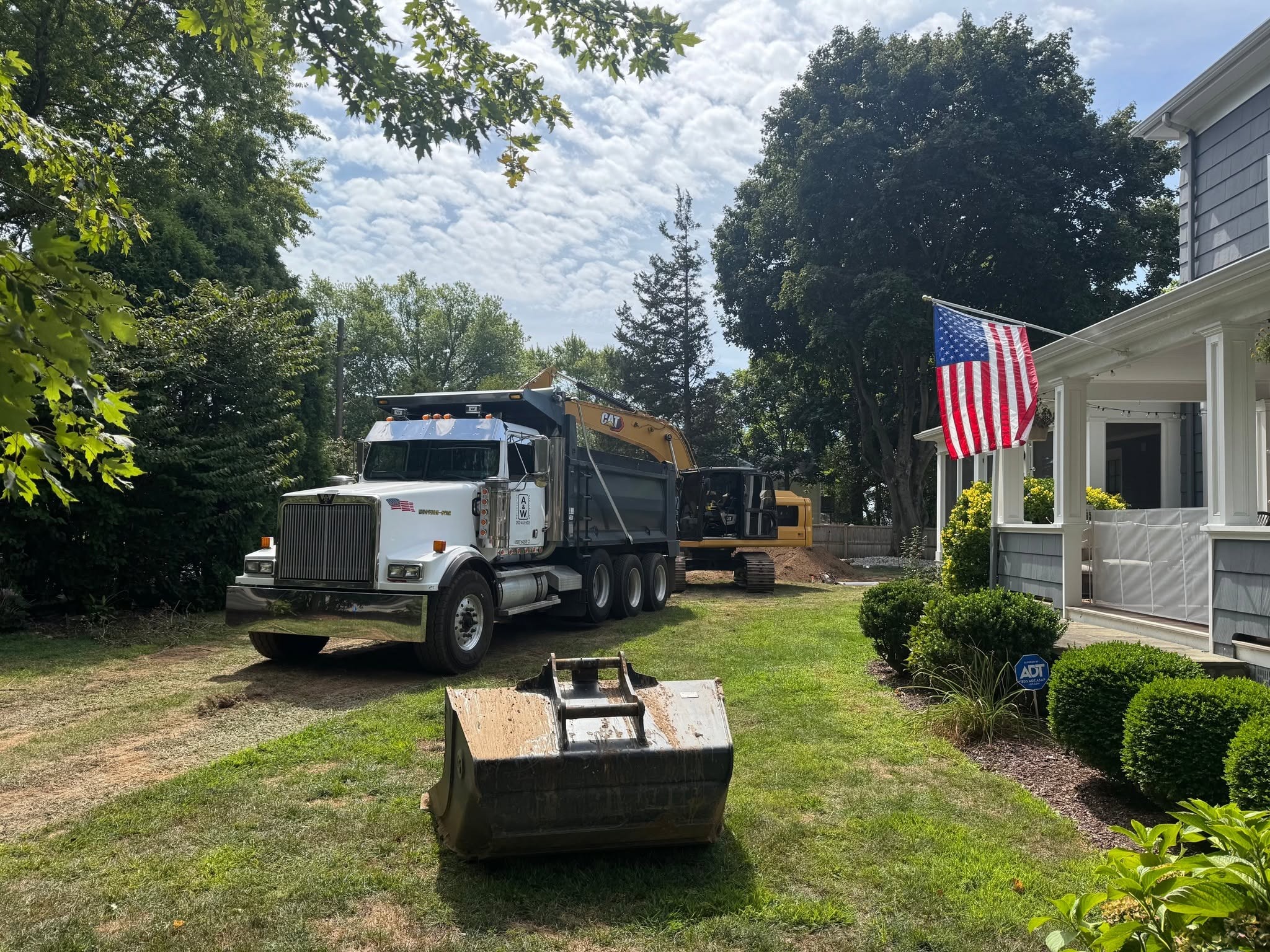
A&W Sanitation provides professional septic services throughout Connecticut's Shoreline communities, including septic tank pumping, inspections, repairs, and installation.
The company also offers septic tank riser installation during service visits, helping homeowners locate buried tanks and improve access to underground tank covers. According to A&W Sanitation's Information and FAQs, technicians can install risers to bring buried tank covers closer to ground level during a service visit.
For professional septic tank riser installation, pumping, or maintenance, schedule septic service with A&W Sanitation to discuss your property's requirements and arrange an appointment.
Frequently Asked Questions
1. Are Septic Tank Risers Required in Connecticut?
Yes. Under Section 8.1.6 of Connecticut's 2026 Technical Standards, new and existing septic tanks with cleanout manholes deeper than 12 inches below final grade must be retrofitted with cleanout risers. Non-cleanout openings are exempt unless they provide access to an effluent filter.
2. What Happens if a Septic Tank Riser Cover Weighs Less Than 100 Pounds?
The original tank cover must remain in place, or a qualifying secondary safety lid or device must be provided. The secondary safety device must withstand a minimum 200-pound dead load under Definition 4.S.
3. How Much Must a Septic Tank Cover Weigh at Ground Level?
A cover flush with or above grade must weigh at least 59 pounds or have a locking system to prevent unauthorized entry.
4. What Size Riser Is Required for a Deep Septic Tank?
New and existing septic tanks without risers and deeper than 24 inches below finish grade require access risers with a minimum 24-inch inside diameter over each cleanout manhole opening.
5. Can A&W Sanitation Install Septic Tank Risers During a Service Visit?
Yes. A&W Sanitation confirms in its septic service FAQs that it can install a riser during service when a buried tank cover needs to be brought closer to ground level.
Prepare Your Connecticut Septic System Before Winter
Installing septic tank risers can make routine pumping and inspections easier by providing convenient access to underground tank openings. Addressing buried access points, cover safety, and drainage before winter can also reduce maintenance difficulties caused by snow and frozen ground.
If your septic tank needs improved access, riser installation, or routine maintenance, schedule septic service with A&W Sanitation to discuss your property's requirements and arrange professional septic services.