Signs Your Madison Property May Need Excavation Before Drainage Problems Worsen in Rainy or Summer Conditions
Why Drainage Problems Become Worse During Rain and Summer Use
Drainage problems often start small, but they can become serious if they are not addressed early. For homeowners in Madison and nearby Connecticut shoreline communities, heavy rain and summer water use can put extra pressure on the soil, yard, driveway, and foundation areas around the home.
During rainy periods, excess water can saturate the ground and collect in low areas. In summer, irrigation, outdoor cleaning, and heavier property use can make weak drainage conditions even more noticeable. Understanding the early signs of drainage failure can help protect your home, stabilize your yard, and prevent long-term water damage.
Why Drainage Problems Get Worse During Rain and Summer Use
Your property should move water away from important areas like the foundation, driveway, septic system, and landscaped spaces. When grading is uneven, soil is compacted, or drainage paths are blocked, water begins collecting where it should not.
Watch for signs such as:
- Puddles that remain after rain
- Runoff moving toward the home
- Soil washing away near slopes or walkways
- Wet areas that return after irrigation or summer water use
If the same area floods after every storm, the ground itself usually needs correcting. Contact our team to schedule a drainage assessment, and we'll reshape the slope or install a trench that moves water away for good.
Standing Water That Does Not Drain
Standing water is one of the clearest signs that drainage is failing. A small puddle after a storm may be normal, but water that remains for hours or days can point to a deeper grading or soil issue.
Common causes include:
- Low spots in the yard
- Compacted soil that cannot absorb water
- Poor grading around the property
- Blocked or missing drainage paths
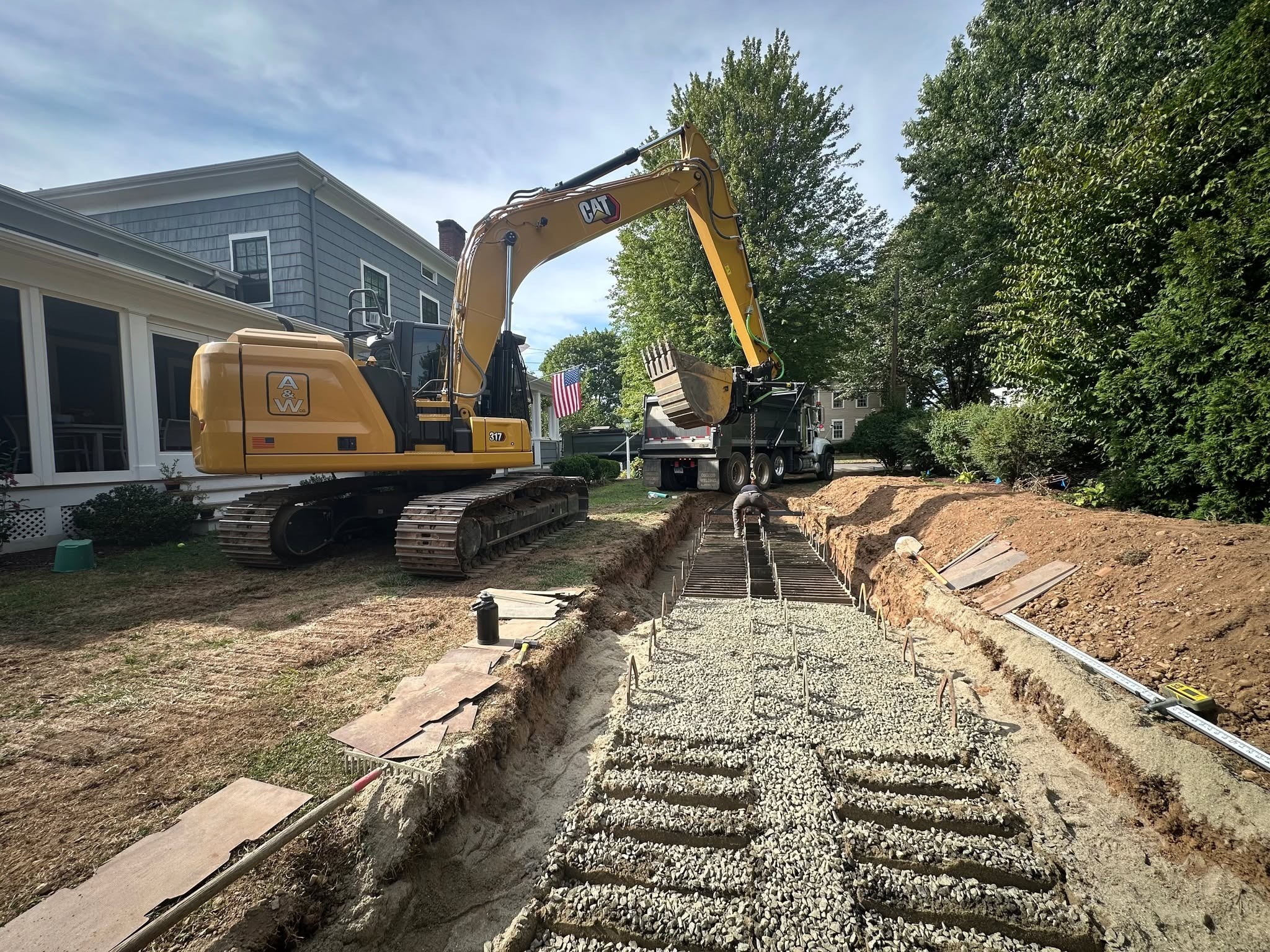
If the same area floods repeatedly, Professional excavation may be needed to reshape the ground, improve slope, or create a drainage trench that moves water away safely.
Soggy or Soft Areas in the Yard
A yard should not stay wet long after the rain has stopped. If certain areas feel spongy, muddy, or unstable, water may be trapped below the surface or flowing toward a low section of the property.
This can affect:
- Lawn health and landscaping
- Walking areas around the home
- Septic zones or nearby soil conditions
- The stability of driveways, paths, or yard surfaces
A professional excavation evaluation can help determine whether Grading, trenching, or soil correction is needed to keep the yard stable.
Soil Erosion Around Slopes, Driveways, or Landscaping
Soil erosion is a warning sign that water is moving too aggressively across your property. If mulch washes away, roots become exposed, gravel shifts, or dirt collects at the bottom of a slope, runoff is not being controlled properly.
Erosion can lead to:
- Uneven yard surfaces
- Exposed roots and damaged landscaping
- Weakened soil near driveways or walkways
- Larger drainage channels after each storm
Once erosion starts, it accelerates with every storm. Professional grading and excavation corrects the flow of runoff, stabilizes the affected soil, and protects the surrounding landscape from further damage.
Water Pooling Near the Foundation
Water pooling near the foundation should always be addressed quickly. When water collects around the home, it can increase soil pressure and moisture exposure around basement walls, crawl spaces, and foundation materials.
Homeowners may notice:
- Damp soil near the house
- Puddles along the foundation line
- Musty odors in lower areas
- Water stains or moisture concerns inside the home
Proper grading is often the first step. If the land slopes toward the home or drainage is blocked, excavation and trenching may be necessary to move water away from the foundation.
Driveway or Walkway Drainage Issues
Driveways and walkways can also reveal drainage failure. Cracks, sinking areas, washed-out gravel, or water running across paved surfaces may mean the ground beneath is being weakened by poor water control.
Common warning signs include:
- Cracks or uneven pavement
- Gravel or soil washing away
- Water crossing the driveway after rain
- Sinking or soft areas near walkways
Excavation can help prepare the ground properly, improve drainage, and reduce the risk of future settling or washout.
When Excavation Becomes the Right Solution
Not every drainage issue requires excavation, but recurring problems should always be evaluated. If standing water, erosion, soggy soil, or foundation pooling keeps coming back, surface-level fixes may only provide temporary relief.
Excavation may help by:
- Reshaping the land for better water flow
- Improving the slope around problem areas
- Creating drainage trenches
- Stabilizing soil before damage spreads
For Madison properties, this work is especially important before seasonal rain or high summer water use makes drainage problems worse.
Frequently Asked Questions
How do I know if my yard drainage problem needs excavation?
If water keeps pooling in the same area, soil stays soggy, or erosion continues after rain, excavation may be needed. A professional can inspect the grade and drainage path to identify the cause.
Is standing water in my yard serious?
Standing water can damage grass, soften soil, attract pests, and create unsafe areas. If it does not drain within a reasonable time, it should be checked before the problem spreads.
Can poor drainage damage my foundation?
Poor drainage can allow water to collect around your foundation, increasing soil pressure and moisture exposure over time. If left untreated, this can contribute to basement leaks, crawl space moisture, foundation settling, or structural concerns.
What is drainage trenching?
Drainage trenching creates a controlled path for water to move away from problem areas. It is often used when grading alone is not enough to manage runoff.
When should I call a professional?
Call when water keeps pooling, soil washes away, the yard stays soggy, or water collects near your foundation, driveway, or septic area. Early evaluation can prevent larger and more expensive repairs.
Protect Your Madison Property Before Drainage Problems Spread
Drainage issues are easier to correct before they cause major damage. Standing water, soggy yards, soil erosion, and pooling near the foundation are all signs your property may need professional attention.
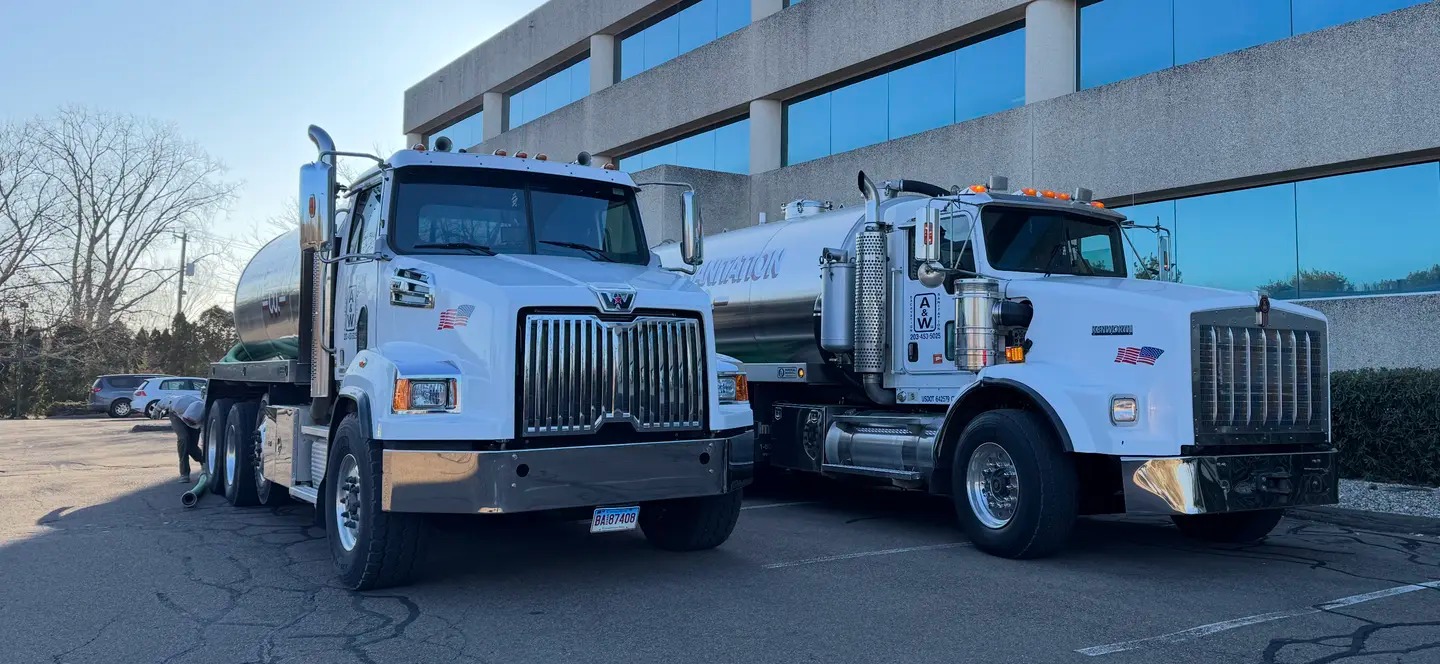
A&W Sanitation & Excavation helps homeowners in Madison, Guilford, Killingworth, and nearby Connecticut shoreline communities with excavation, grading, and drainage solutions designed for local property conditions. If your yard is showing signs of drainage failure, schedule a professional evaluation before the next heavy rain or high-use summer season makes the problem worse.