What Happens During a Septic Pumping Service and Why It Matters
For many homeowners, septic pumping is something they know they should do — but aren’t exactly sure what it involves or why it’s so important. Because the system is underground and out of sight, it’s easy to underestimate the value of routine service.
At A&W Sanitation and Excavation, we believe informed homeowners make better maintenance decisions. This guide walks you through what happens during a septic pumping service, what professionals look for while on-site, and why this routine task plays a critical role in protecting your home and septic system.
Why Septic Pumping Is Necessary
Your septic tank is designed to hold wastewater long enough for solids to settle and bacteria to break them down. Over time, sludge and scum build up faster than bacteria can digest them. Pumping removes these materials before they cause problems.
Without regular pumping, solids can:
- Overflow into the drain field
- Clog outlet pipes and filters
- Cause sewage backups into the home
- Lead to costly drain field or system failure
Routine pumping keeps the system balanced and functioning as intended.
What Happens During a Septic Pumping Service
Locating and Accessing the Tank
The technician first locates your septic tank and uncovers the access lid. If a riser is installed, access is quick and minimally disruptive. If not, light digging may be required.
Inspecting the Tank
Before pumping begins, the technician inspects the tank condition. This includes checking:
- Sludge and scum levels
- Inlet and outlet baffles
- Effluent filters
- Signs of cracks, corrosion, or leaks
This inspection helps identify issues early — before they turn into major repairs.
Pumping Out the Tank
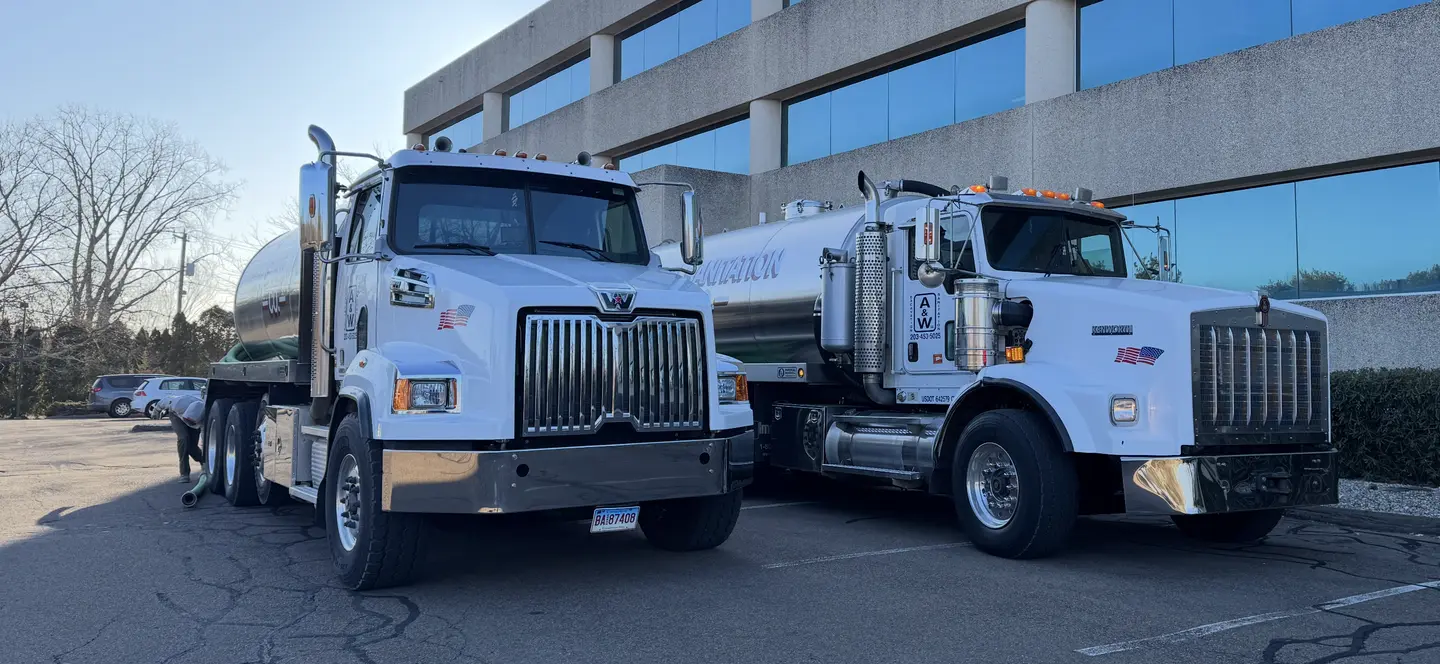
A high-powered vacuum hose removes liquid, sludge, and floating solids from the tank. The technician ensures the tank is fully emptied, not just partially pumped.
Checking System Components
After pumping, internal components are rechecked to confirm nothing is damaged or obstructed. Filters may be cleaned, and flow is evaluated.
Re-sealing and Clean-Up
Once service is complete, the tank lid is securely replaced, the area is restored, and any disturbed soil is smoothed out.
How Long Does Septic Pumping Take?
Most residential septic pumping services take 30 to 60 minutes, depending on:
- Tank size
- Accessibility
- Sludge levels
- Whether an inspection or filter cleaning is included
Homes with risers typically require less time and minimal yard disturbance.
Why Septic Pumping Matters More Than You Think
Protects the Drain Field
The drain field is the most expensive part of a septic system. Pumping prevents solids from clogging soil and pipes, extending its lifespan.
Prevents Emergencies
Routine service reduces the risk of backups, odors, and sudden failures that require emergency calls.
Saves Money Over Time
A standard pump-out costs far less than repairing or replacing a failed system.
Provides Early Problem Detection
Pumping appointments often reveal developing issues — like damaged baffles or root intrusion — before symptoms appear.
How Often Should You Schedule Pumping?
Most households should schedule septic pumping every 3–5 years, depending on:
- Number of occupants
- Water usage
- Tank size
- Garbage disposal use
We help homeowners determine the right schedule based on their specific system and lifestyle.
How A&W Sanitation & Excavation Supports Homeowners
Our goal is long-term system reliability, not just one-time service. We offer:
- Routine and emergency septic pumping
- System inspections and diagnostics
- Filter and baffle maintenance
- Riser installation
- Drain field evaluations
- Preventative maintenance planning
To learn more, visit our septic repairs and maintenance page.
FAQ Section
Q1: Does pumping harm the natural bacteria in the tank?
No. Beneficial bacteria naturally repopulate after pumping. Pumping is necessary to maintain balance.
Q2: Should I add additives after pumping?
Usually not. A properly used system does not require additives, and some products can cause harm.
Q3: Can I use water during septic pumping?
It’s best to avoid heavy water use during service to allow accurate inspection and pumping.
Q4: What if my tank hasn’t been pumped in many years?
Pumping is still essential. Our team will inspect carefully and recommend next steps if issues are found.
Q5: Is septic pumping messy or disruptive?
Professional pumping is clean, controlled, and typically leaves little to no impact on your yard.