5 Septic Distribution Box Warning Signs in Connecticut This Fall
Septic Distribution Warning Signs
As Connecticut moves into fall, wetter soil and changing drainage conditions can make an existing septic distribution problem easier to notice. A healthy system should continue managing normal household wastewater, but recurring wet areas, slow drainage, odors, or other changes may deserve closer attention.
These symptoms do not automatically prove that the distribution box is damaged. Understanding how the D-box affects wastewater flow can help homeowners recognize when a professional septic evaluation may be appropriate.
What Does a Septic Distribution Box Do?
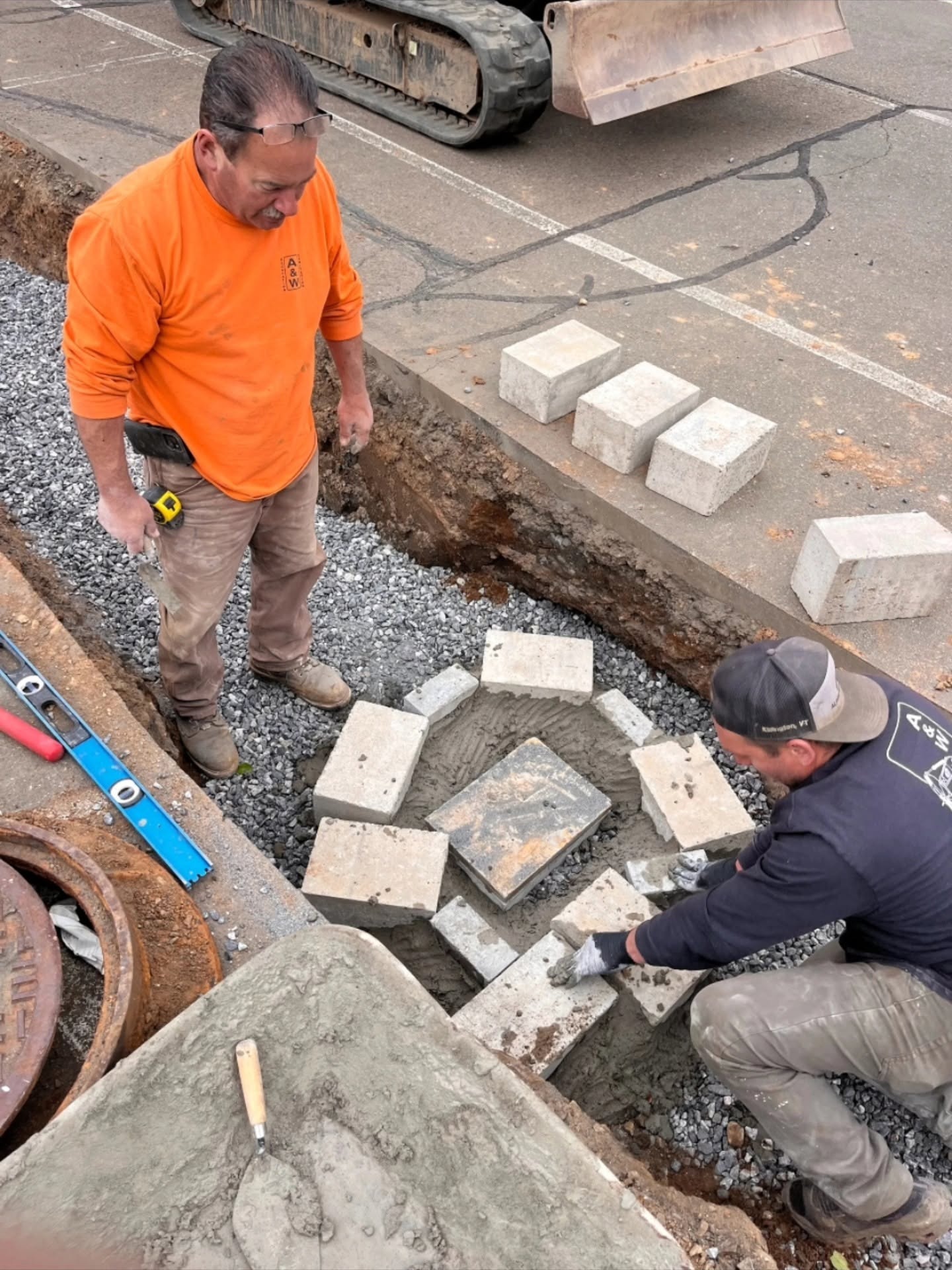
The distribution box, or D-box, sits between the septic tank and drain field. Wastewater leaving the tank enters the box before being directed into the drain-field lines.
Its purpose is to distribute wastewater across the available absorption area. Settlement, blockage, physical damage, or uneven outlets can interfere with that distribution and place more flow on one section of the field than another.
1. One Part of the Drain Field Stays Wetter Than the Rest
Uneven conditions across the drain field can be one of the more relevant signs of a distribution problem. Homeowners may notice:
- One consistently wet or soft section
- An unusually lush area of grass
- Moisture concentrated in one location
- One section staying wet longer than nearby ground
If the D-box sends too much wastewater toward certain lines, one part of the drain field may become overloaded. Rainfall, groundwater, and surface drainage can create similar wet conditions, so the cause should be properly evaluated. If the problem persists, septic system repair in Connecticut can help determine whether the D-box or another system component is involved.
2. Standing Water or Spongy Ground Persists
This sign becomes more concerning when wet conditions are persistent rather than simply uneven. Watch for:
- Standing water over the drain-field area
- Ground that remains noticeably spongy
- Saturated soil after surrounding areas begin drying
- Possible wastewater surfacing at ground level
Fall rain can naturally saturate soil. Persistent wetness around the septic area, however, may indicate a distribution, drain-field, groundwater, or drainage issue.
3. Multiple Drains Become Slow or Backups Begin
A single slow sink may result from a local plumbing clog and does not specifically point to the D-box.
A broader septic concern may exist when:
- Several fixtures drain slowly
- Toilets or drains begin gurgling
- Slow drainage repeatedly returns
- Wastewater begins backing up
Because the tank, piping, D-box, drain field, or plumbing can cause similar symptoms, a professional septic system inspection in Connecticut can help identify the source.
4. Sewage Odors Develop Around the Septic Area
Persistent sewage odors near the septic system or drain field may deserve attention. Watch for:
- Odors that repeatedly return
- Sewage smells near the drain field
- Odors appearing with wet ground
Odor alone does not confirm a D-box problem. The tank, piping, venting, or drain field may also be involved.
5. The Same Septic Problems Keep Returning
Recurring problems can suggest that routine maintenance has not addressed the underlying cause. Examples include:
- Wet areas repeatedly returning
- Slow drains continuing
- Persistent septic odors
- Drainage trouble returning after the tank has been serviced
When symptoms continue, the distribution box, piping, drain field, or another part of the system may need closer inspection. Homeowners can learn more about how the distribution box fits into a complete septic system through A&W’s septic system installation services, which include installation of the tank, distribution box, and drain field.
Why Fall Can Make Existing Problems More Noticeable
Fall rainfall does not automatically damage a healthy distribution box.
However, wetter soil can have less capacity to accept additional wastewater. If part of the drain field is already overloaded or receiving wastewater unevenly, increased soil moisture may make the existing condition easier to see.
For Connecticut homeowners, recurring wet areas or drainage changes during fall should therefore be viewed as possible warning signs rather than proof that seasonal rain caused the problem.
When to Have the Septic System Evaluated
Professional evaluation becomes more important when symptoms persist, repeatedly return, affect several parts of the system, or continue after routine septic service.
An inspection can help determine whether wastewater distribution is being affected by:
- The distribution box
- Septic piping
- The tank
- The drain field
- Property drainage conditions
Identifying the source first helps avoid assuming that every wet area, odor, or slow drain requires the same repair. If these symptoms continue, Schedule a septic system inspection with A&W Sanitation & Excavation to identify the source and determine the appropriate next step. Identifying the source first helps avoid assuming that every wet area, odor, or slow drain requires the same repair.
Frequently Asked Questions
What is a septic distribution box?
A distribution box receives wastewater leaving the septic tank and directs it toward the drain-field lines so effluent can be distributed across the available absorption area.
What causes a septic distribution box to work unevenly?
Settlement, blockage, physical damage, uneven outlets, or deterioration can affect wastewater distribution. Inspection is needed to determine the actual cause.
Can heavy fall rain cause a distribution box problem?
Rain does not automatically damage a healthy D-box. Wetter or saturated soil can, however, make an existing septic distribution or absorption problem easier to notice.
Can a bad distribution box cause one part of the drain field to stay wet?
Uneven wastewater distribution can contribute to one section receiving more flow, but groundwater, rainfall, grading, and other drain-field conditions can produce similar symptoms.
Can pumping the septic tank fix a distribution box problem?
Pumping addresses material accumulated inside the septic tank. A D-box that is settled, blocked, damaged, or distributing wastewater unevenly may require separate inspection or repair.
Professional Evaluation for Recurring Septic Problems
Wet areas, slow drains, odors, and recurring drainage problems can have several possible causes. The important step is identifying where the problem is occurring before deciding on a repair.
If these symptoms continue around your Connecticut property, Contact A&W Sanitation & Excavation for a professional septic evaluation to determine whether the distribution box, piping, drain field, or another component needs attention.