Foundation Drainage in Connecticut: What to Plan Before Building
Why Foundation Drainage Should Be Planned Early
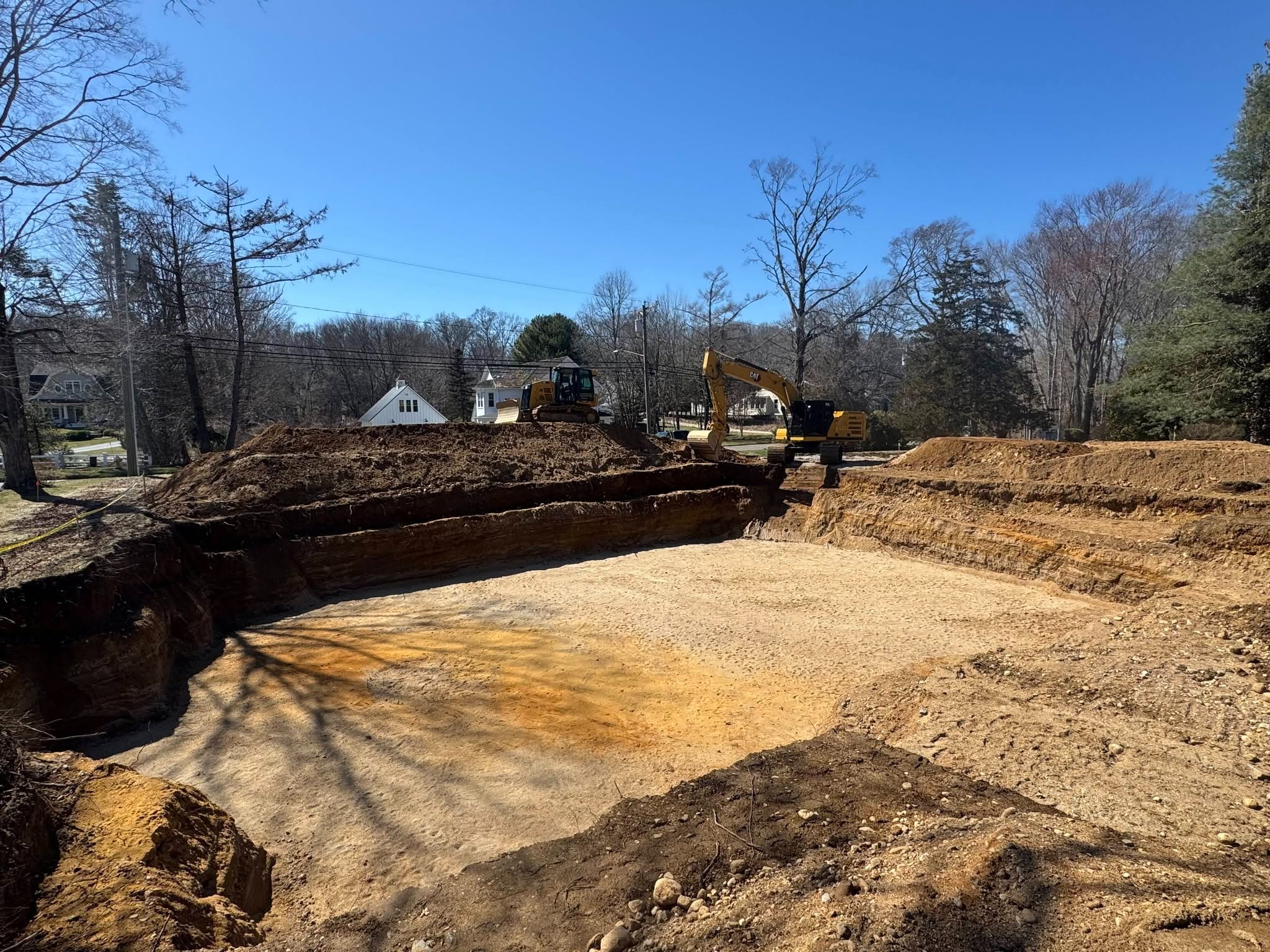
Foundation drainage should be considered before excavation, footing work, and final grading begin. The goal is to understand how water may move toward the building site and how it will be managed after construction.
For Connecticut homeowners, early planning should account for site elevations, soil conditions, groundwater, foundation drainage, and the final route for collected water.
Start With the Natural Grade of the Property
The shape of the property influences where rainwater and surface runoff will travel.
Before construction begins, review whether nearby slopes, low areas, driveways, retaining walls, or surrounding grades direct water toward the proposed foundation.
Finished grading should support water movement away from the structure. A&W Sanitation’s construction site preparation services can help coordinate grading, drainage, and foundation preparation with the overall site plan.
Soil Conditions Affect How Water Moves
Soil can hold and release water differently from one property to another.
Dense or poorly draining soil may retain moisture near the excavation, while more permeable material may allow water to move through the ground more readily. These conditions can influence drainage trenches, backfill, grading, and how subsurface water is managed.
Where soil conditions affect structural support or foundation design, the appropriate design or engineering professional should evaluate those concerns.
Consider Groundwater and Subsurface Moisture
Surface runoff is not the only source of moisture around a foundation. Groundwater and changing subsurface conditions can also affect the excavation area.
If water appears during excavation or the property regularly experiences wet ground, the project team should determine how those conditions will be managed during construction and after the foundation is completed.
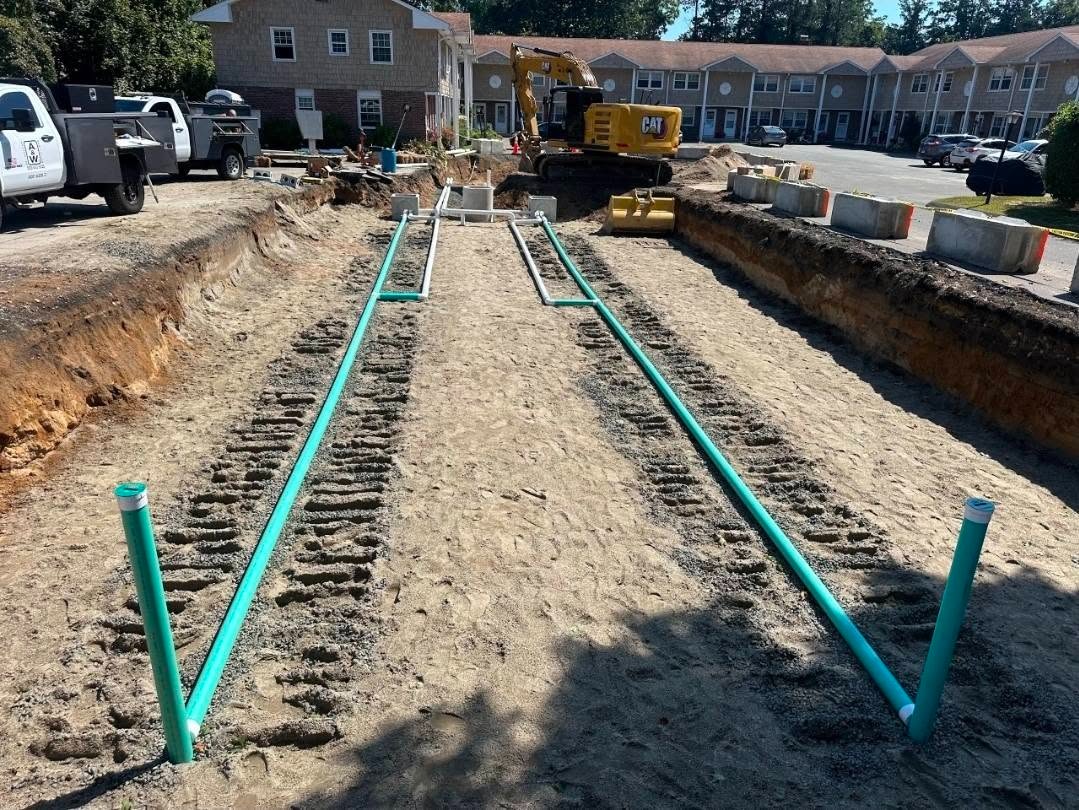
The drainage approach should reflect actual site conditions. A&W Sanitation’s drainage trenching services can help address subsurface water-management needs where foundation drainage and excavation must be coordinated.
Plan Footing Drains With the Foundation Layout
Footing drains are commonly installed where required or appropriate near the base of a foundation to help manage subsurface water around below-grade areas.
Their location, elevation, drainage material, and discharge route should be coordinated with the foundation plan. Planning these details early helps ensure the drainage system works with the excavation, grading, and overall site design.
Decide Where Collected Water Will Go
Every foundation drainage system needs an appropriate discharge route.
The outlet should be considered before drainage trenches are installed or finished grades are established. The available approach will depend on property elevations, drainage design, and applicable project requirements.
Connecticut’s 2022 State Building Code also makes an important distinction between foundation drainage and above-grade drainage. Section R405.3 states that above-grade systems including gutters and downspouts, roof drains, and yard drains shall not be connected to the foundation drainage system.
Keeping these systems properly planned from the beginning helps prevent one drainage route from interfering with another.
Check Surrounding Property Elevations
Drainage planning should consider how surrounding property features may affect water movement around the future foundation.
✓ Driveways and patios can redirect runoff toward lower areas
✓ Retaining walls may change natural drainage paths
✓ Neighboring grades can influence how water moves across the site
✓ Septic components may limit where drainage routes can be placed
✓ Landscaping and other site features can affect available discharge areas
Reviewing surrounding elevations helps ensure the drainage route works with the overall property layout. A&W Sanitation’s grading and sloping services can help adjust site elevations and improve how surface water moves across the property.
What Should Homeowners Confirm Before Construction?
Before foundation work moves forward, confirm:
✓ Current site and foundation plans
✓ Existing and proposed grades
✓ Soil and subsurface moisture conditions
✓ Whether footing drainage is required or appropriate
✓ Planned drainage elevations and outlet
✓ Nearby utilities, septic components, and structures
✓ Applicable design, permit, and inspection requirements
This keeps drainage planning connected to the overall construction plan rather than addressing water management after the foundation is already in place.
When Is Professional Drainage or Excavation Help Appropriate?
Professional drainage or excavation assistance may be appropriate when:
✓ Property grades make it difficult to direct water away from the foundation
✓ Wet areas repeatedly develop near the proposed building site
✓ Groundwater or subsurface moisture affects excavation conditions
✓ Suitable drainage or discharge routes are limited
✓ Foundation drainage must be coordinated with excavation, grading, or site preparation
If these conditions affect your project, Contact A&W Sanitation to discuss your drainage and excavation needs and determine the most appropriate next step before construction begins.
Frequently Asked Questions
Why Should Foundation Drainage Be Planned Before Construction?
Early planning allows drainage elevations, grading, excavation, and the final water route to be coordinated before the foundation and surrounding site are completed.
Does Every Property Need the Same Foundation Drainage System?
Foundation drainage should be planned around the conditions of the individual property. Foundation type, soil, groundwater, site elevations, available discharge routes, and project requirements can all influence which drainage approach is appropriate.
What Is a Footing Drain?
A footing drain is commonly installed where required or appropriate near the base of a foundation to collect subsurface water and direct it toward a suitable drainage route.
Does Grading Affect Foundation Drainage?
Grading affects how surface water moves around the finished structure. Proper site elevations should support drainage away from the foundation.
Where Should Foundation Drainage Discharge?
The appropriate outlet depends on property elevations, drainage design, local requirements, and available discharge options. The route should be established before the drainage system is installed.
Plan Foundation Drainage Before Construction Begins
Effective foundation drainage starts with understanding how water moves across and through the property. Site elevations, soil conditions, subsurface moisture, foundation drainage, and the final discharge route should all be considered before construction progresses.
For foundation drainage or site-preparation needs along the Connecticut Shoreline, Schedule a site-preparation consultation with A&W Sanitation to review the drainage, grading, and excavation requirements before foundation work begins.