Utility Line Trenching in Connecticut: What to Know Before Excavation
Why Utility Trenching Requires Careful Planning
Utility line trenching creates a route for underground services, but excavation is only one part of the project. Existing utilities, site access, soil conditions, drainage, and the required trench layout all need to be considered before digging begins.
For Connecticut homeowners, early planning can help reduce unnecessary property disturbance and prevent avoidable delays. The final approach should reflect both the utility being installed and the conditions of the property.
What Is Utility Line Trenching?
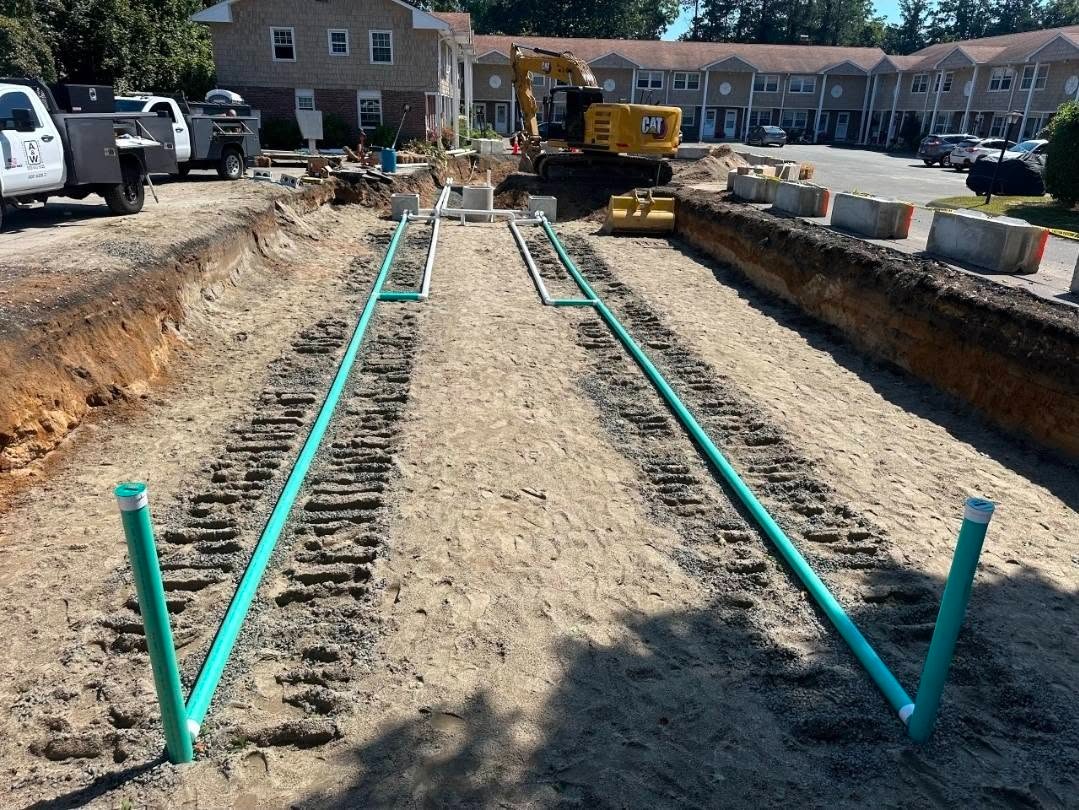
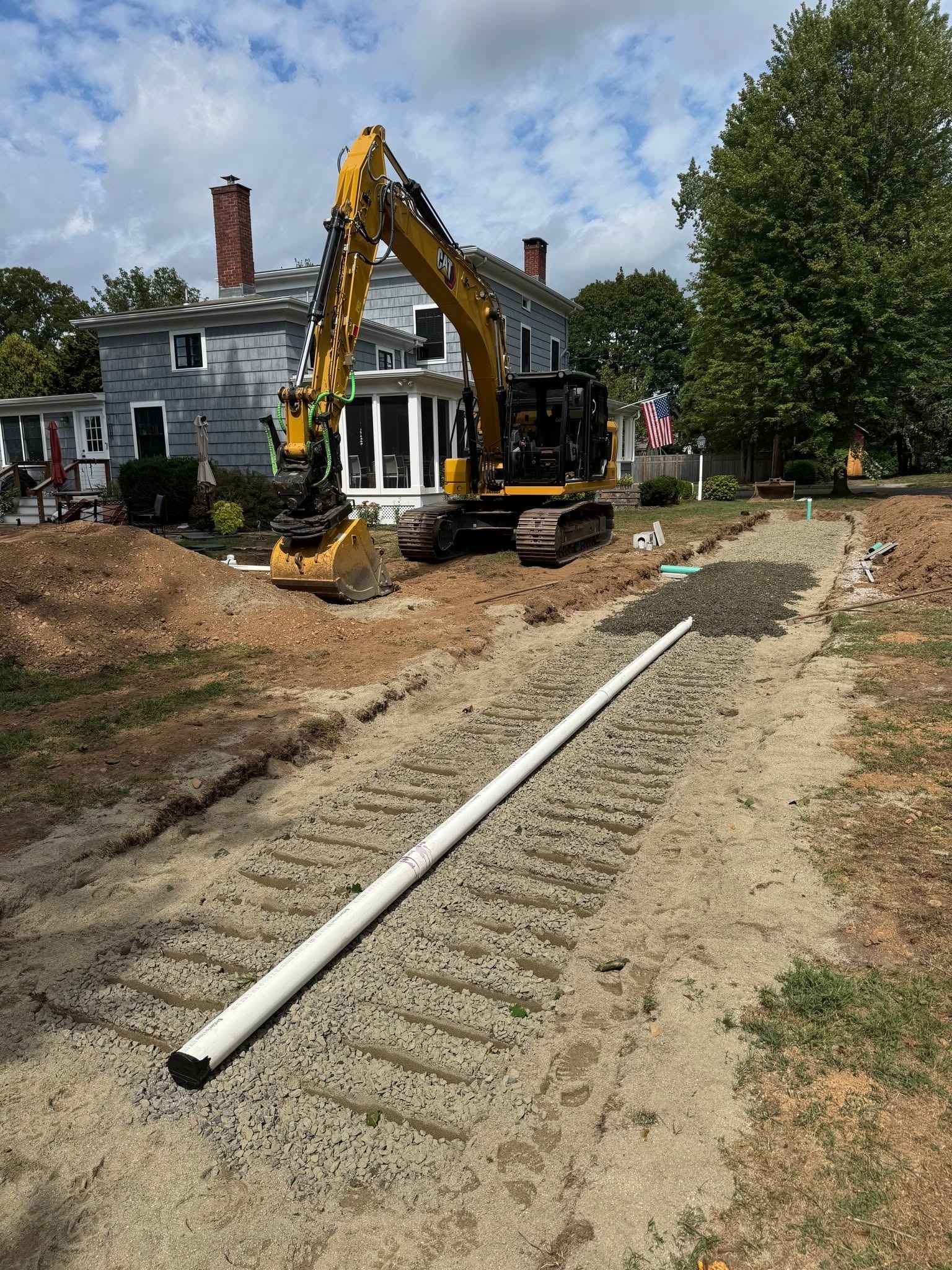
Utility line trenching is the excavation of a planned trench to create a safe route for underground utility lines, such as electrical, water, gas, or communication services. The trench depth, width, and route depend on the type of utility, installation requirements, existing underground infrastructure, and site conditions.
For projects that require professional trenching, A&W Sanitation’s residential excavation services can help plan and complete the work with proper consideration for access, existing utilities, soil conditions, and the overall layout of the property.
Locate Existing Utilities Before Digging
Gas, electric, water, sewer, and communication lines may already cross the proposed work area. Their location should be identified before excavation so the trench can be planned around existing underground infrastructure.
Connecticut requires anyone using power or mechanized equipment for excavation to notify Call Before You Dig at least two full business days before digging. When a homeowner hires a contractor to perform the excavation, the contractor is responsible for making that notification.
Trench Depth and Layout Depend on the Project
There is no single trench depth or layout that applies to every utility installation. The correct configuration depends on the type of utility, installation requirements, existing underground lines, and site conditions.
The most direct route is not always the most practical. Foundations, septic components, driveways, retaining walls, landscaping, and other site features may affect where the trench can safely be placed. For projects that require broader site planning, A&W Sanitation’s construction site preparation services can help coordinate utility trenching with surrounding excavation, grading, and property conditions.
Site Access and Soil Conditions Matter
Excavation equipment needs a safe and practical route to the work area. Narrow gates, fences, landscaping, patios, and limited side-yard access can influence which equipment is suitable for the project.
Soil conditions also affect excavation. Wet, rocky, compacted, or unstable ground may change how the trench is opened and managed. A&W notes that residential excavation equipment selection depends on factors including project scope, access limitations, and soil conditions.
Consider Drainage Before Excavation
A utility trench may cross areas where runoff naturally moves or where soil stays wet after rainfall. Existing drainage patterns should be considered so excavation does not interfere with water movement or contribute to new areas of standing water.
If drainage issues are already present on the property, A&W Sanitation’s drainage trenching services can help address water movement separately from the utility installation and determine whether additional drainage work is needed.
What Should Homeowners Prepare Before Excavation?
Before work begins, homeowners should be prepared to identify:
✓ The purpose and proposed route of the utility
✓ Existing utility markings
✓ Septic systems or other underground features
✓ Equipment access points
✓ Driveways, landscaping, and nearby structures
✓ Areas with known drainage or soil problems
Providing this information during the initial site review can help identify potential conflicts before excavation begins.
When Is Professional Utility Trenching Appropriate?
Professional excavation is especially important when trenching must take place near existing utilities, septic components, structures, limited-access areas, or difficult soil conditions.
An experienced excavation contractor can evaluate the route, equipment requirements, and property conditions before digging begins. If you are planning underground utility work, Contact A&W Sanitation to schedule a residential excavation evaluation.
Frequently Asked Questions
How deep should a utility trench be?
Trench depth depends on the type of utility, installation requirements, project specifications, and site conditions. The correct depth should be established for the specific project.
Do utilities need to be marked before excavation?
Connecticut requires Call Before You Dig notification before excavation with powered or mechanized equipment so affected underground facilities can be located and marked.
Can soil conditions affect utility trenching?
Wet, rocky, compacted, or unstable soil can affect excavation methods, equipment selection, and how the trench is managed.
Does site access affect excavation?
Fences, gates, landscaping, structures, and narrow work areas can determine which equipment can safely reach the proposed trench location.
Should drainage be considered before trenching?
Existing runoff, low areas, and saturated soil should be reviewed so excavation does not unintentionally interfere with water movement across the property.
Plan Utility Trenching Before Excavation Begins
Successful utility trenching starts with understanding the property before digging. Existing utilities, site access, soil conditions, drainage, and installation requirements should all be reviewed as part of the excavation plan.
A&W Sanitation provides residential excavation and utility trenching for Connecticut Shoreline properties. Schedule an excavation consultation with A&W Sanitation to review your site and determine the appropriate approach for your project.