French Drain in Connecticut: Is It the Right Fix for Standing Water After Fall Rain?
How a French Drain Helps Manage Standing Water
Standing water after fall rain can make parts of a Connecticut yard stay soft, muddy, or saturated long after the storm has passed. When water repeatedly collects in the same low area, the issue may involve poor subsurface drainage rather than a single heavy rainfall.
A French drain is designed to collect excess water in the soil and redirect it toward a more suitable drainage area. It can be an effective option for certain properties, but the right solution depends on where the water is coming from, how the land is graded, and where the collected water can safely discharge.
What Is a French Drain?
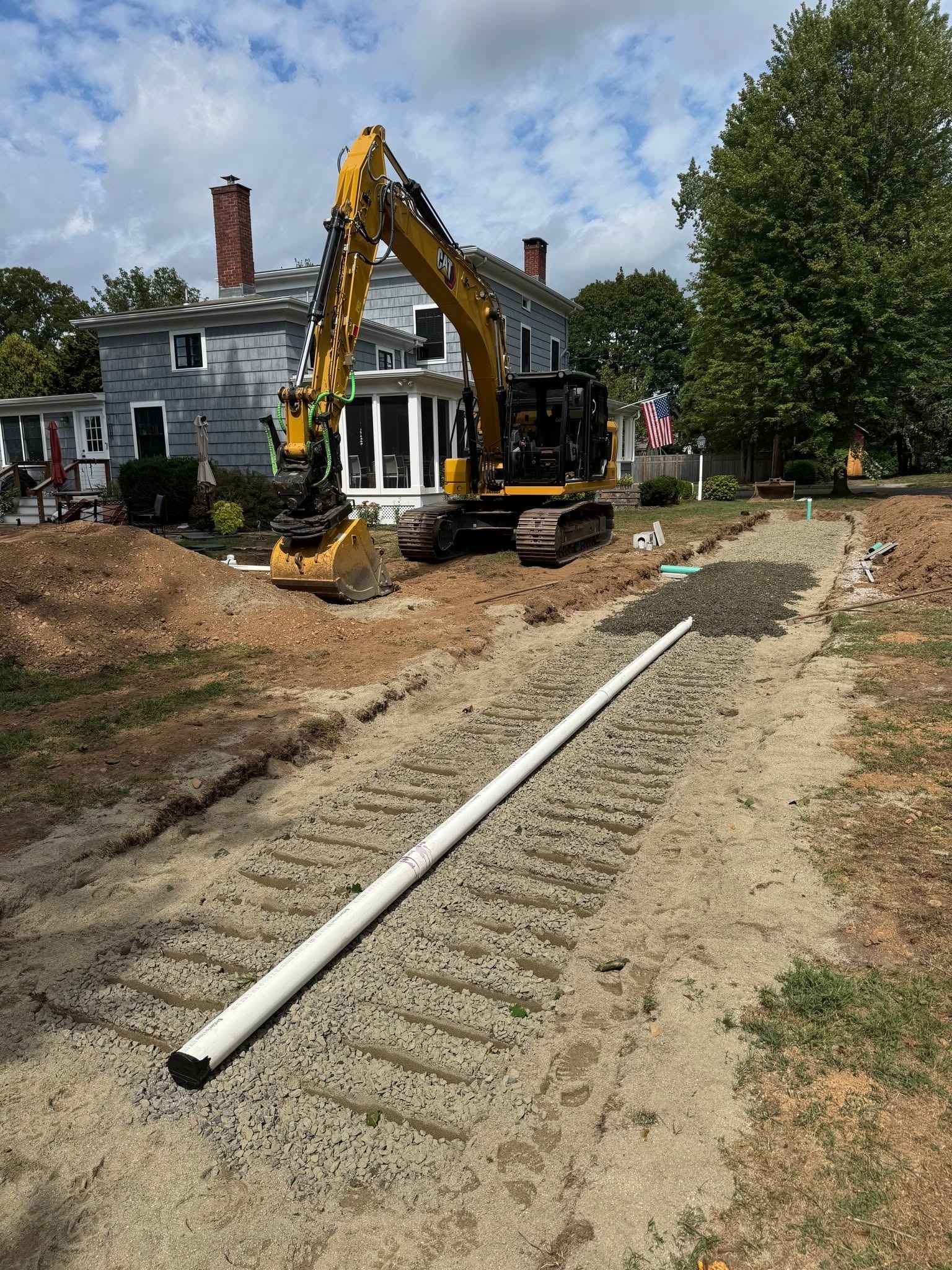
A French drain is a gravel-filled trench that typically contains a perforated drainage pipe. Water enters through the gravel and pipe openings, then moves through the system toward a planned outlet.
Unlike a surface channel that mainly handles visible runoff, a French drain is often used where water is saturating the soil or repeatedly collecting in low areas.
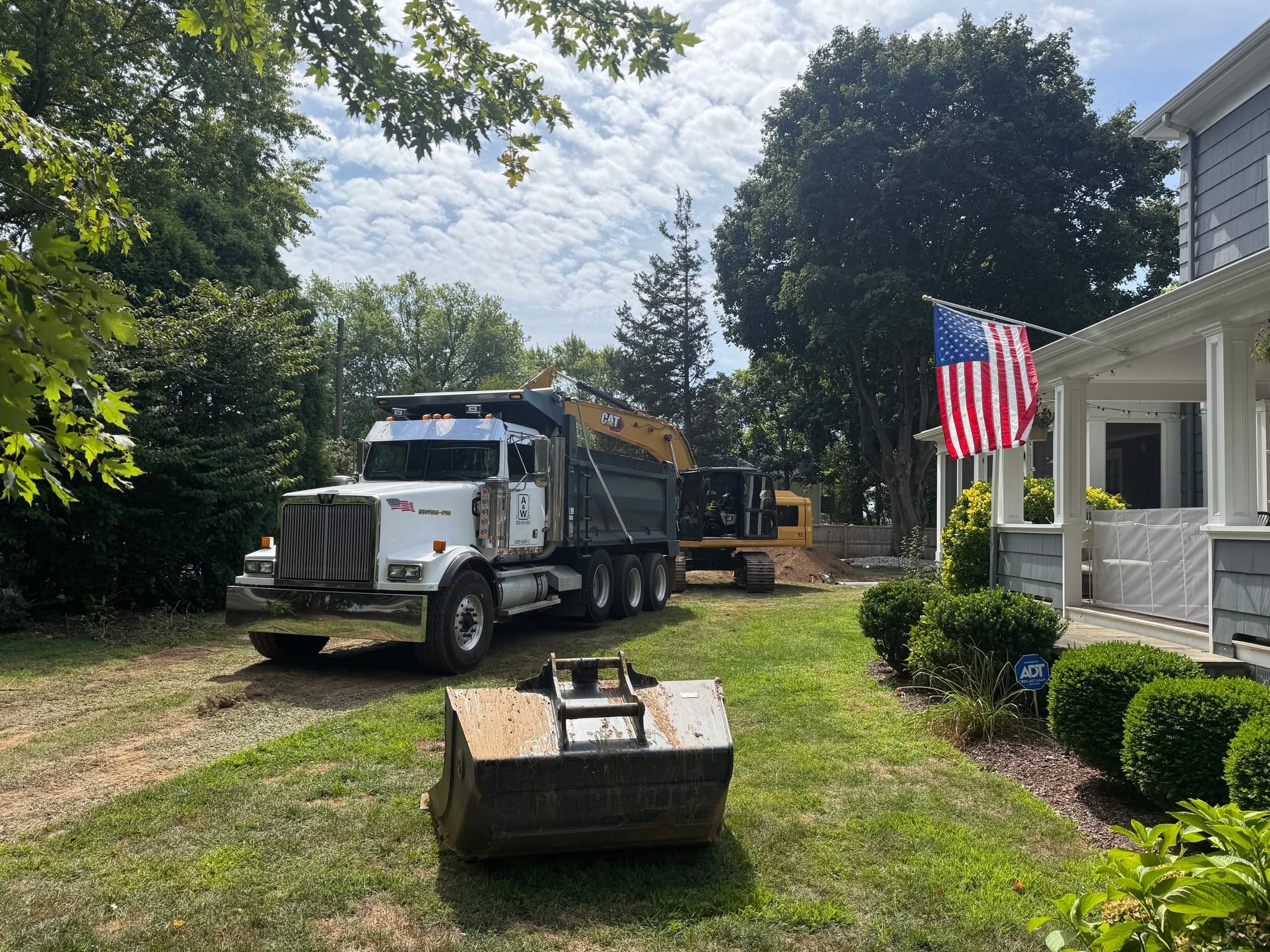
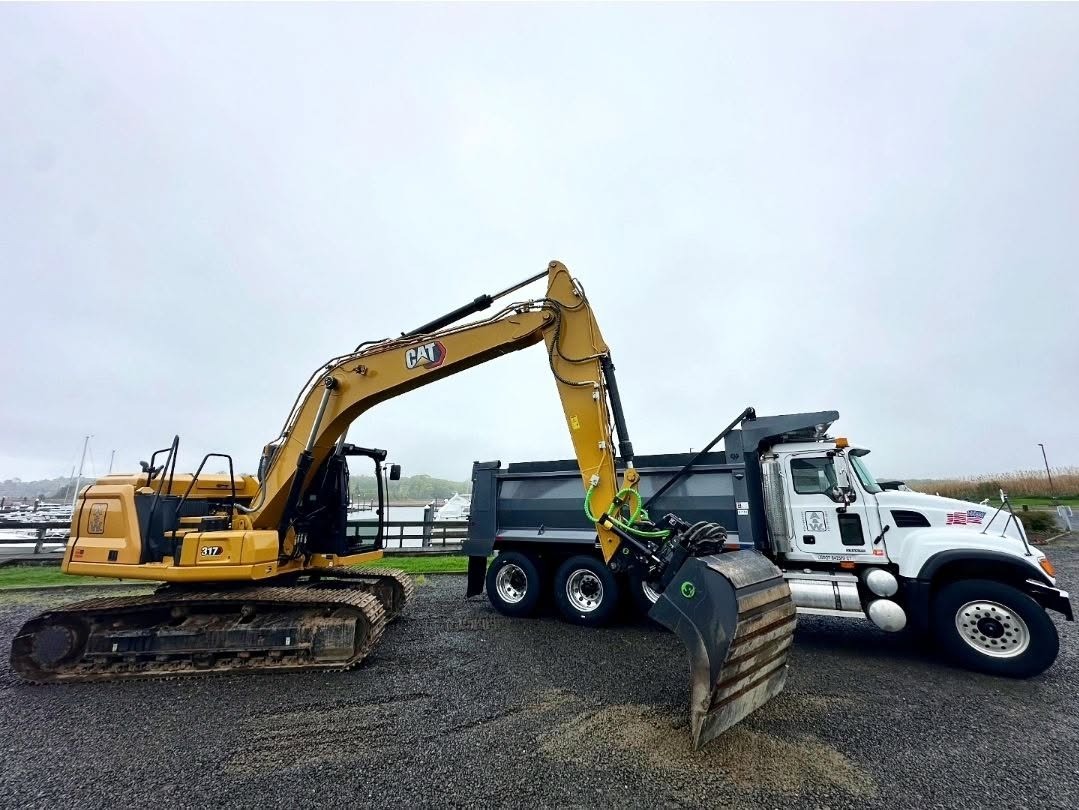
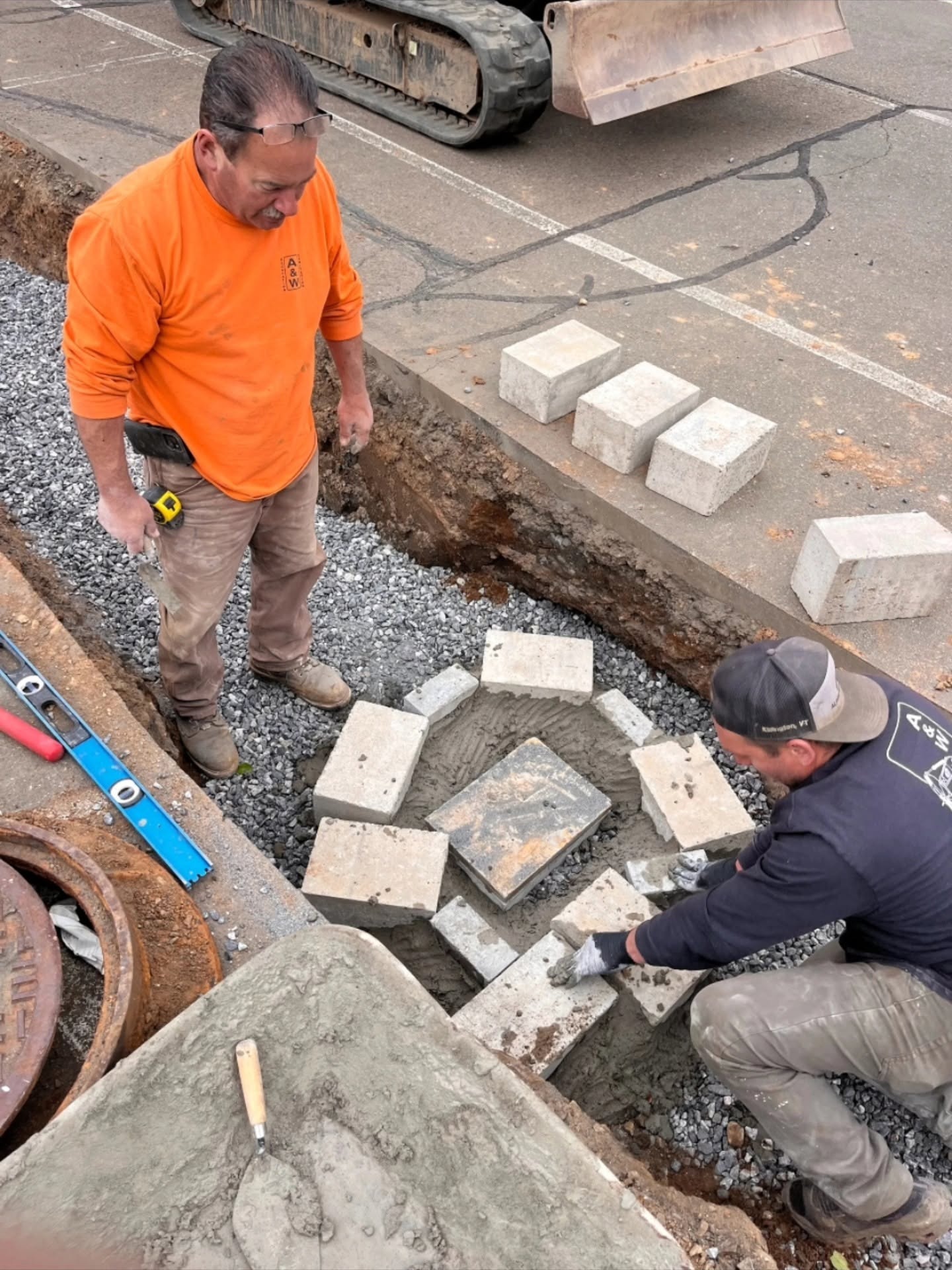
A&W Sanitation’s drainage trenching services include French drain design along with foundation drainage and other water-redirection solutions for Connecticut properties.
When Can a French Drain Help With Standing Water?
A French drain may be appropriate when water repeatedly collects because the soil is staying saturated or subsurface water is moving toward a low area. Common situations include:
- The same part of the yard remains wet after rainfall
- Water collects along a slope or low section
- Soil stays soft or muddy for extended periods
- Water moves toward a foundation or landscaped area
- Surface drainage alone does not resolve the problem
The key is identifying the source of the water. A French drain will not correct every drainage issue simply because standing water is present.
Why Fall Rain Can Reveal Drainage Problems
After a relatively dry period, fall rainfall can make drainage patterns easier to see. Low spots, compacted soil, poor slopes, and saturated areas may become more noticeable once water begins moving across and through the property again.
A&W notes that recurring puddles, muddy areas, and water collecting near structures can indicate that a property is not moving runoff effectively.
For homeowners, the important question is not only where water collects, but also where it comes from and how long the area remains saturated after rainfall.
When a French Drain May Not Be the Right Solution
Standing water can have several causes, and some are better addressed with another type of drainage improvement. A French drain may not be the primary solution when:
- The ground slopes directly toward the house
- Downspouts discharge into the problem area
- Surface runoff is creating erosion
- A driveway or patio directs water toward a low spot
- The property needs broader grading corrections
- There is no suitable location for drainage discharge
For example, poor surface elevations may require Grading and sloping rather than relying on an underground drain alone. A&W’s existing guidance emphasizes evaluating the full drainage pattern rather than simply filling low areas where water collects.
What Site Conditions Matter Before Installation?
A French drain needs more than a trench and perforated pipe. Its location, depth, slope, soil conditions, and outlet all affect how well it performs. A professional drainage evaluation may consider:
- Where standing water develops
- Existing property elevations
- Natural direction of water movement
- Soil conditions
- Nearby foundations and structures
- Driveways and hard surfaces
- Septic system components
- The proposed discharge location
The outlet is especially important. Redirecting water without a suitable destination may simply move the drainage problem elsewhere on the property.
What Can Homeowners Check After Fall Rain?
Homeowners can learn a lot by observing the property during and after rainfall. Check for:
- Areas where puddles repeatedly form
- Soil that stays wet long after nearby areas dry
- Water moving toward the home
- Muddy sections along slopes or walkways
- Erosion or small channels in the soil
- Downspouts contributing water to saturated areas
Photographing the drainage pattern shortly after rainfall can also help when discussing the problem with a drainage professional. Avoid excavation near buried utilities, septic components, or other underground systems without proper location and planning.
When Should You Call a Drainage Professional?
Professional evaluation may be appropriate when standing water repeatedly returns, the source is unclear, or simple surface adjustments have not improved drainage.
A drainage professional can determine whether the problem is best addressed with a French drain, grading, trenching, downspout redirection, or another site-specific solution.
A&W Sanitation provides professional drainage trenching solutions for properties along the Connecticut Shoreline, including French drain design and other water-redirection options. If standing water continues after rainfall, schedule a drainage evaluation with A&W Sanitation to determine the most appropriate solution for your property.
Frequently Asked Questions
Can a French drain remove standing water from a yard?
A properly designed French drain can help when standing water is related to saturated soil or subsurface water movement. The cause and discharge location should be evaluated before installation.
How does a French drain collect water?
Water moves through the surrounding gravel into a perforated pipe, which carries it toward a planned drainage outlet.
Will a French drain fix poor grading?
Not necessarily. If surface water is flowing in the wrong direction because of improper elevations, grading may need to be corrected separately or combined with drainage work.
Where does water from a French drain go?
The system should direct water toward a suitable discharge area based on the property layout and local site conditions. The outlet should not create a new drainage problem elsewhere.
When should a French drain be professionally installed?
Professional installation is worth considering when excavation, precise slope, underground utilities, septic components, or a complex drainage pattern are involved.
Choose the Right Drainage Solution for Your Property
A French drain can be an effective way to manage recurring standing water when excess moisture is moving through saturated soil, but it is not the right solution for every wet area. Property slope, soil conditions, runoff sources, and the final discharge point all need to work together.
If standing water continues after fall rain, Contact A&W Sanitation & Excavation to schedule a drainage evaluation. Their team can assess the property and determine whether a French drain, grading, drainage trenching, or another solution is appropriate.