Foundation Excavation in Connecticut: What to Check Before Building
Why Foundation Excavation Starts With Site Conditions
Foundation excavation is more than digging to the dimensions shown on a building plan. Safe equipment access, stable ground, drainage, and working space around the proposed foundation all need to be considered before digging begins.
For Connecticut homeowners, reviewing these conditions early can help reduce delays and avoid changes once excavation equipment is already on site.
What Is Foundation Excavation?
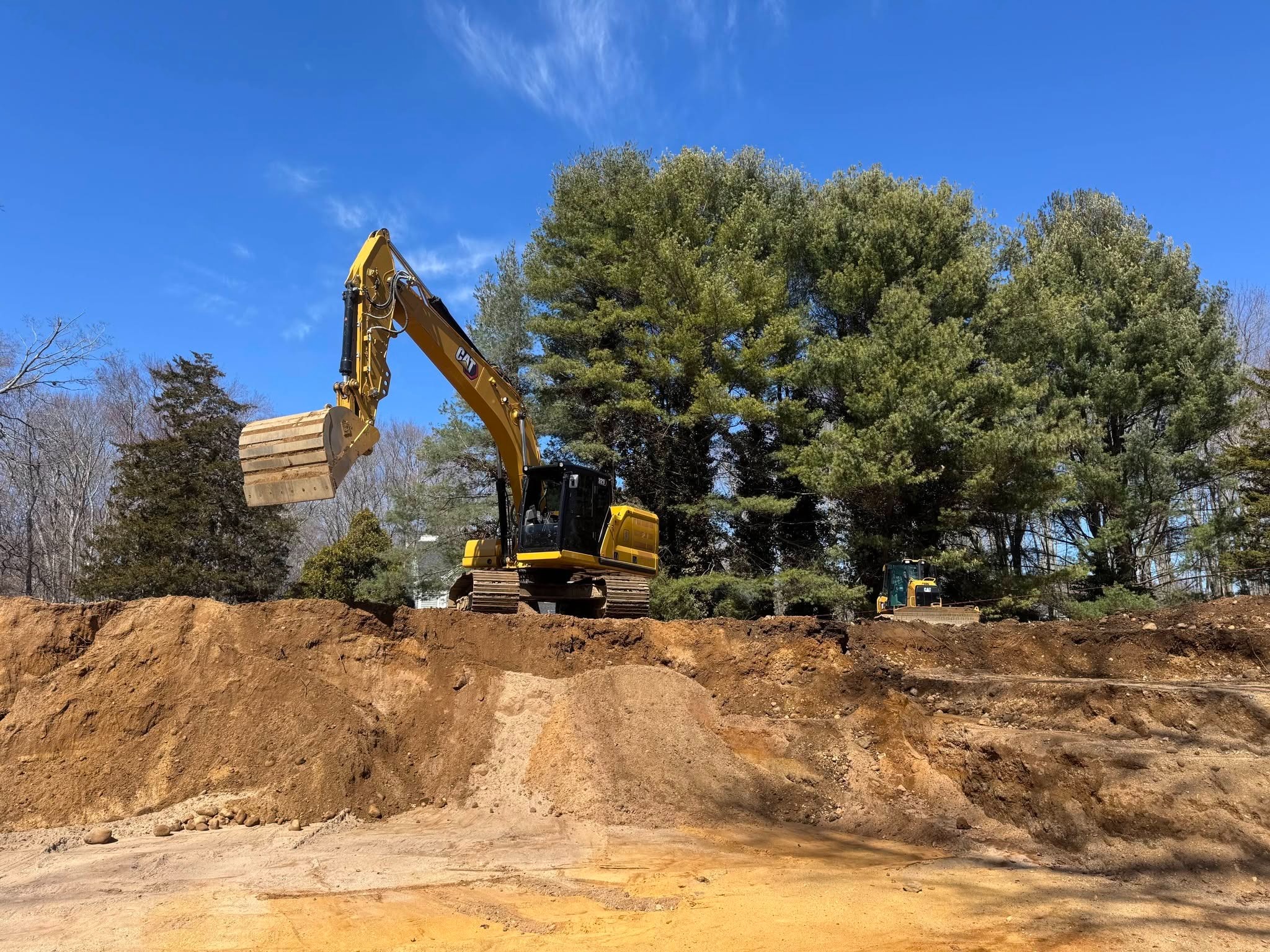
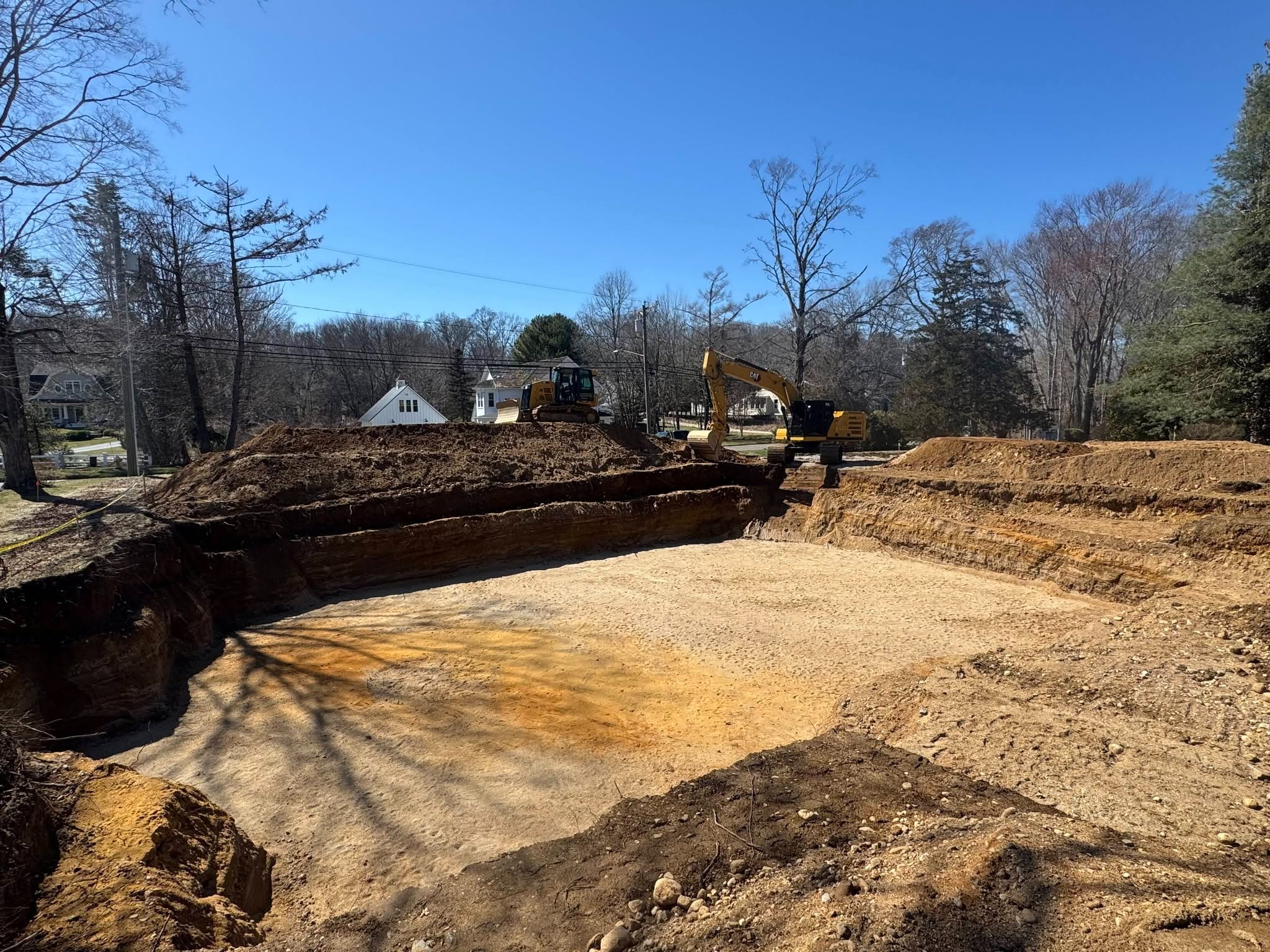
Foundation excavation removes soil to create the area required for a building’s foundation. Depending on the project, that may include footings, foundation walls, a basement, a crawl space, or a slab-on-grade system.
The work should follow current project plans, required elevations, and site conditions. For projects that require professional excavation, A&W Sanitation’s residential excavation services can help prepare the site for foundation work while accounting for access, grading, drainage, and surrounding property conditions.
Why Foundation Excavation Is Important
Accurate excavation establishes the working area for the foundation and helps coordinate footing preparation, drainage, utilities, grading, and later construction.
Starting with the correct layout and elevations also helps reduce unnecessary changes after excavation is underway.
Site Preparation Comes First
Before foundation excavation begins, review:
- Equipment access
- Existing grades and elevation changes
- Trees, retaining walls, driveways, and nearby structures
- Septic components and other buried features
- Soil and material staging areas
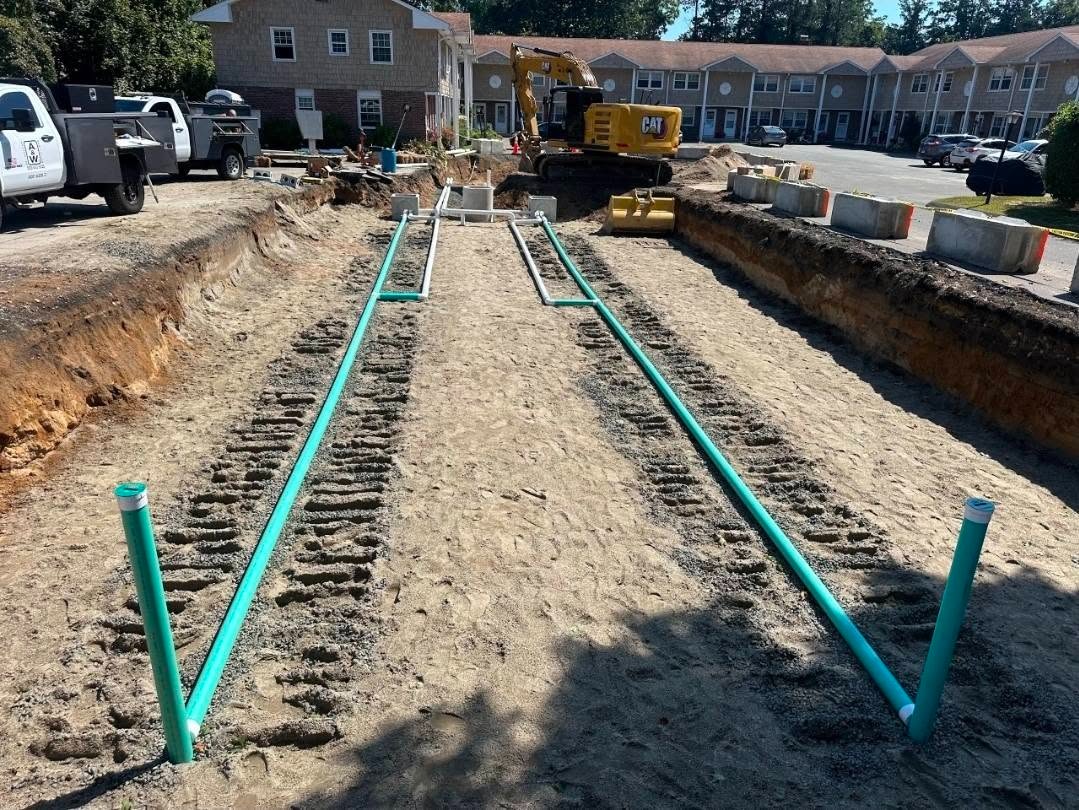
A&W’s construction site preparation services include foundation footing prep, foundation drainage, utility trenching, driveway grading, and finish grading.
Confirm Project Plans and Local Requirements
Foundation excavation should be based on the latest building layout, foundation plan, and site elevations.
Homeowners should confirm with the builder or design professional that excavation limits match current documents and that applicable permit, inspection, or municipal requirements have been addressed before digging begins.
Soil Conditions Affect Foundation Excavation
Soil and ground conditions can influence excavation methods and equipment use.
- Wet ground can make equipment access more difficult
- Rock or ledge may require a different excavation approach
- Compacted soil or existing fill can affect digging
- Changing site moisture after rainfall can alter working conditions
A site review can guide equipment, access, and staging. Structural or foundation-design concerns should be handled by the appropriate project professional.
Drainage Is Part of the Plan
Water movement should be considered before backfilling and final grading.
- Review existing runoff and low areas
- Plan finished grades to direct surface water away from the structure
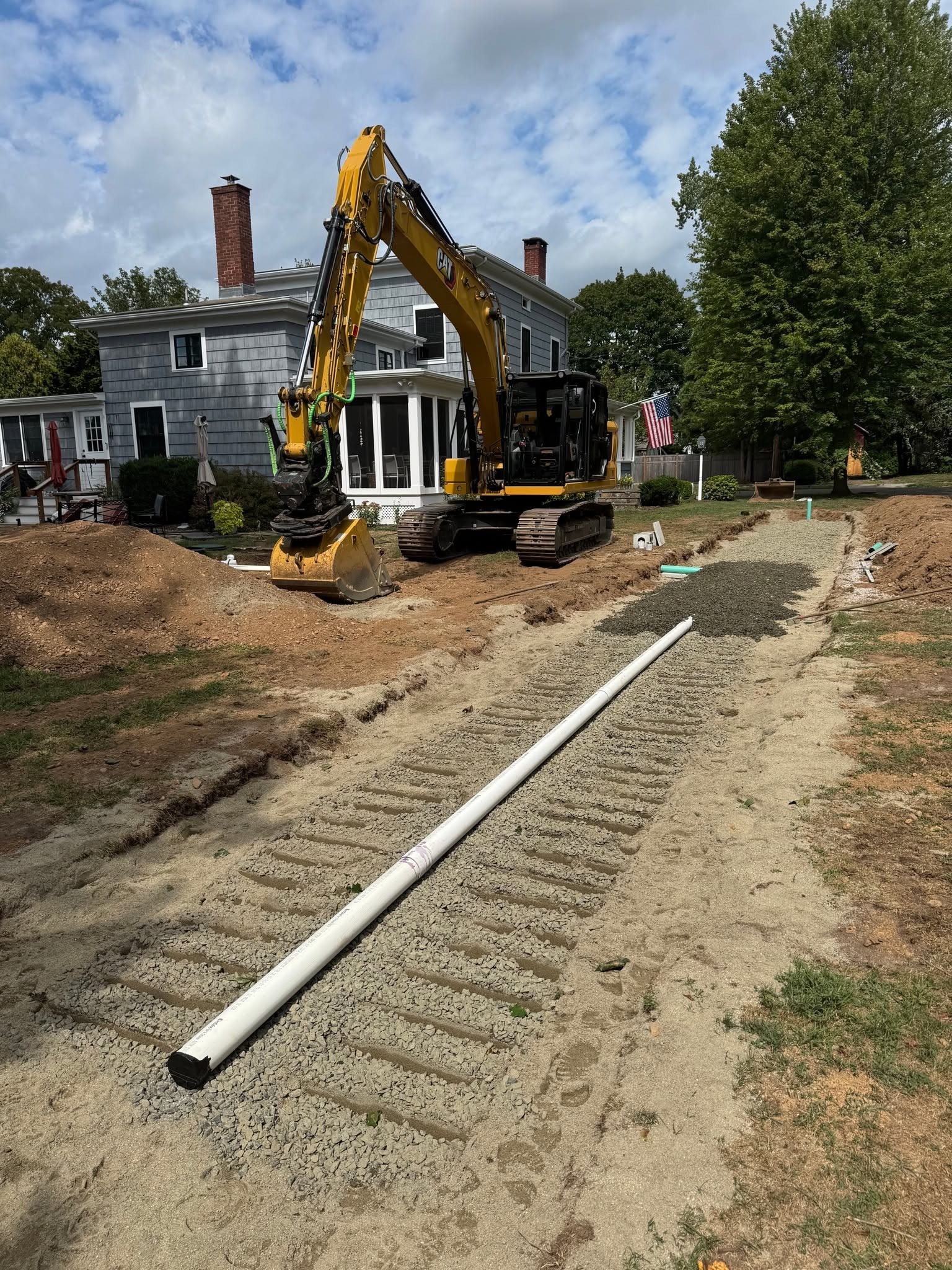
- Coordinate foundation drainage with excavation
- Address grading concerns where elevations affect water movement
A&W’s grading and sloping services include drainage planning and elevation work.
Locate Underground Utilities Before Digging
Connecticut requires anyone using power or mechanized excavation equipment to notify Call Before You Dig at least two full business days before digging. When a homeowner hires a contractor to perform the excavation, the contractor is responsible for making the notification.
Review utility markouts before finalizing excavation limits, equipment routes, or staging areas. Private lines, septic components, and other buried features may require separate locating.
Types of Foundations
The amount and depth of excavation can vary depending on the type of foundation planned for the project.
Basement Foundation
A basement generally requires deeper excavation because the foundation extends farther below grade.
Crawl Space Foundation
A crawl space usually requires less excavation than a basement but still requires accurate footing depths, wall elevations, and site preparation.
Slab-on-Grade Foundation
A slab-on-grade foundation generally requires shallower excavation, although base preparation, utilities, grading, and drainage still need to be coordinated.
These are general differences. Exact excavation depth and preparation requirements depend on the approved foundation design, site elevations, soil conditions, and project specifications.
Equipment Used
The equipment used for foundation excavation should match the size of the project, available access, soil conditions, and the amount of material that needs to be moved. Choosing equipment that fits the site helps crews work more efficiently while reducing unnecessary disturbance around the excavation area.
A&W uses equipment ranging from compact mini excavators for tighter residential spaces to full-size excavators for larger projects. Equipment is selected based on the scope of work, access limitations, and soil conditions. For help determining the right approach for your property, Contact A&W Sanitation to discuss your excavation needs.
FAQ for Foundation Excavation
How Deep Should Foundation Excavation Be?
The required depth comes from the approved foundation design, project elevations, and applicable construction requirements. It should be established from current plans rather than estimated during excavation.
When Does Connecticut Require Call Before You Dig Notification?
For power or mechanized excavation, Connecticut requires notification at least two full business days before digging. If a homeowner hires a contractor, the contractor must make the notification.
Can Soil Conditions Change the Excavation Plan?
Wet ground, rock, ledge, compacted soil, or existing fill can affect equipment use and excavation methods. Conditions affecting structural support should be evaluated by the appropriate project professional.
Does Limited Site Access Affect Foundation Excavation?
Limited access can influence equipment selection and staging. Narrow driveways, gates, landscaping, or nearby structures may require smaller equipment or a different excavation approach.
Why Does Drainage Matter Before Building?
Drainage and grading influence how water moves around the completed structure. Planning them early helps coordinate foundation work with finished site elevations and water management.
Prepare the Site Before Foundation Work Begins
Foundation excavation should begin with a clear understanding of site access, soil conditions, utilities, drainage, grading, and the surrounding property. Addressing these factors early helps keep foundation preparation aligned with the project plans and the construction work that follows.
For foundation excavation or site-preparation needs along the Connecticut Shoreline, Schedule an excavation consultation with A&W Sanitation to discuss site conditions, excavation requirements, and the work needed before foundation construction begins.