Failing Septic Inlet Waste Lines: Summer Warning Signs and Repair Solutions
Why Septic Inlet Waste Lines Matter
Your septic inlet waste line plays an important role in moving wastewater from your home into the septic tank. When this pipe is working properly, wastewater flows smoothly for treatment and storage.
During summer, increased water usage from guests, laundry, showers, and outdoor activities can place additional demand on your septic system. A damaged, blocked, or aging inlet line may struggle to handle this increased flow, leading to drainage problems and potential backups.
Recognizing early warning signs can help homeowners address inlet waste line issues before they cause more serious septic damage.
Common Causes of Septic Inlet Waste Line Problems
Septic inlet waste line problems can develop for several reasons. Over time, pipes may become damaged, blocked, or weakened due to normal wear and environmental conditions.
Common causes include:
- Pipe deterioration due to age
- Blockages caused by buildup or improper materials
- Tree root intrusion
- Ground movement or shifting soil
- Damaged pipe connections
A problem with the inlet line can prevent wastewater from reaching the septic tank properly, affecting overall system performance. Routine septic maintenance helps monitor important components and identify developing issues before they lead to larger system problems.
Warning Signs of a Failing Septic Inlet Waste Line
Inlet waste line problems often appear through changes in your home’s plumbing. Addressing these signs early can help prevent larger repairs.
Common warning signs include:
- Multiple slow drains throughout the home
- Gurgling sounds from toilets or fixtures
- Sewage odors inside or outside the property
- Recurring wastewater backups
- Slow wastewater flow into the septic system
While a single slow drain may have a simple cause, multiple drainage issues can indicate a larger problem with the main waste line or septic inlet connection.
How Professional Inspection Identifies Inlet Line Problems
Finding the exact cause of an inlet waste line issue requires proper evaluation. A septic technician may use camera inspection equipment to view the inside of the pipe and locate problems that are not visible from the surface.
During an inspection, technicians can check for:
- Pipe blockages
- Cracks or damage
- Root intrusion
- Deteriorated sections
- Improper wastewater flow
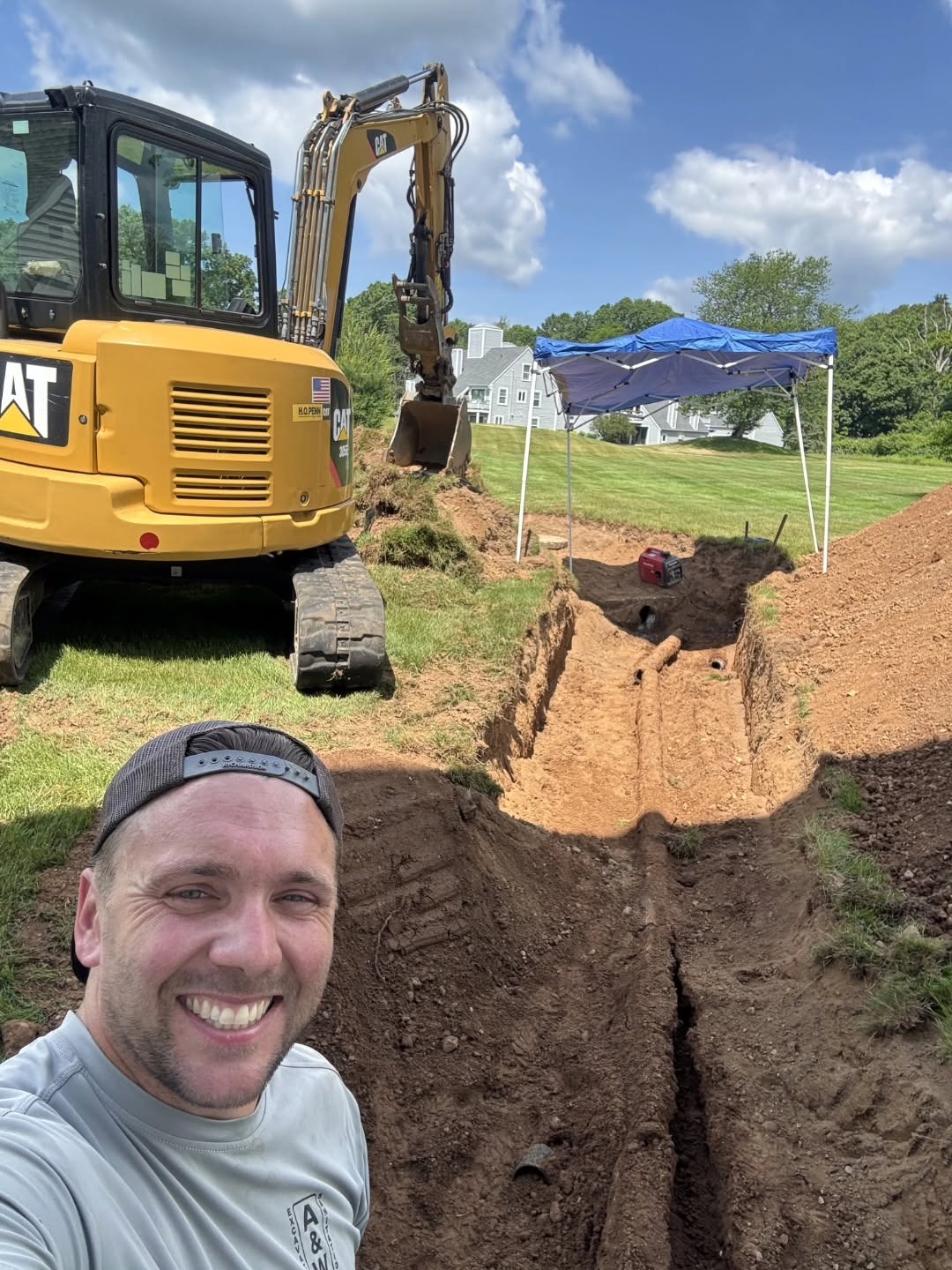
Camera inspections help provide a clearer understanding of the pipe’s condition and allow technicians to recommend the right repair approach. A&W Sanitation & Excavation provides septic inspections to help identify wastewater flow problems and determine the most effective solution for your system.
Septic Inlet Waste Line Repair Solutions
The right repair method depends on the condition of the inlet waste line and the type of damage present.
Possible solutions may include:
- Removing blockages affecting wastewater flow
- Repairing damaged sections of pipe
- Replacing deteriorated connections
- Installing a new inlet line when repairs are no longer practical
Addressing inlet line problems early can help prevent wastewater backups, reduce strain on the septic system, and avoid more extensive repairs.
How Homeowners Can Help Prevent Waste Line Problems
While some pipe issues develop due to age or environmental conditions, proper septic care can help reduce unnecessary stress on the system.
Homeowners can help protect their septic system by:
- Avoiding flushing wipes, grease, and harmful materials
- Managing excessive water use during short periods
- Repairing leaking plumbing fixtures
- Scheduling routine septic inspections
- Paying attention to early drainage warning signs
Regular maintenance and timely inspections can help identify developing issues before they become major septic problems. Call A&W Sanitation & Excavation to discuss your septic system concerns and schedule an inspection to help identify potential issues before they lead to costly repairs.
Frequently Asked Questions
What causes a septic inlet waste line to fail?
Common causes include aging pipes, blockages, root intrusion, damaged connections, and ground movement that affects the pipe structure.
Can a blocked inlet line cause septic backups?
A blocked or damaged inlet line can interrupt wastewater flow from your home to the septic tank, potentially causing slow drainage, backups, and other system problems.
How is a septic inlet waste line inspected?
Technicians commonly use camera inspection equipment to view the inside of the pipe, locate damage, and determine the best repair solution.
When should I call for septic inlet line repair?
Homeowners should seek service when they notice recurring backups, multiple slow drains, sewage odors, or unusual wastewater flow issues.
Restore Proper Septic Flow With Professional Repair
A failing septic inlet waste line can affect your home’s plumbing and place additional stress on your septic system, especially during periods of increased summer water use. Early detection and proper repairs can help prevent more serious damage.
If you are experiencing slow drains, backups, odors, or wastewater flow problems, Contact A&W Sanitation & Excavation for professional septic inspection and repair services. Our team can evaluate your inlet waste line, identify the cause of the issue, and recommend the right solution to restore proper system operation.