Protecting Your Septic System During Summer Yard Projects in Guilford
Plan Yard Work Around the Septic System
Summer is a popular time for landscaping, patios, fences, drainage work, and other outdoor improvements. These projects can add weight to the yard or require digging near buried septic components.
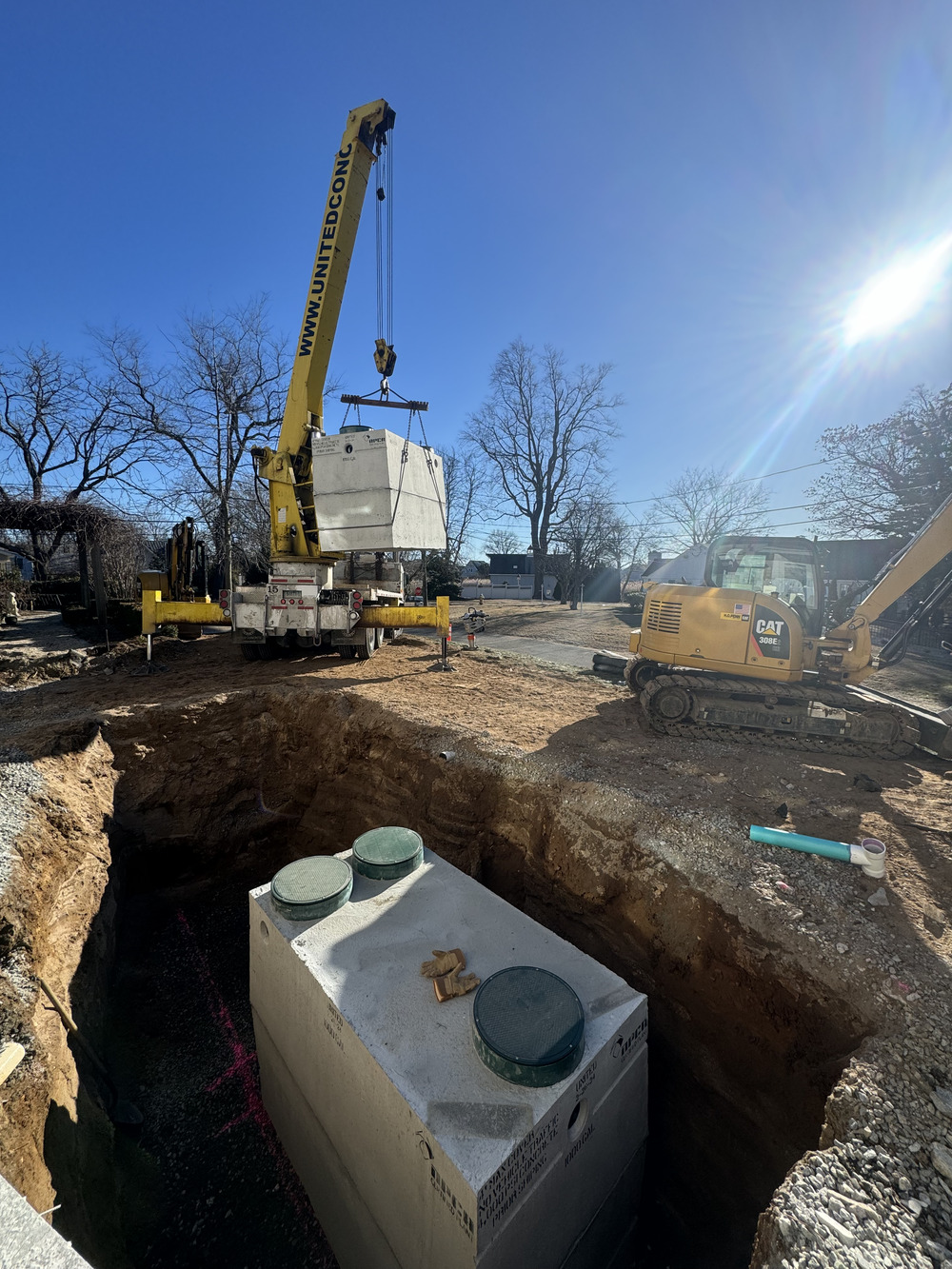
A septic system includes a tank, connecting pipes, and a drain field that treats and disperses wastewater below ground. Because the system is hidden, yard work may still cross a pipe, tank lid, or drain-field area.
Before work begins, identify the system layout, protect the drain field, and confirm where digging can be completed safely.
1. Locate Septic Components Before Digging
Do not rely on memory or visible tank covers alone. Review property records, septic plans, pumping reports, or inspection documents to identify the tank, pipes, distribution parts, and drain field.
Connecticut’s Call Before You Dig service should also be contacted before excavation so participating underground utilities can be marked. Private septic components may require separate records or professional locating.
Before installing fence posts, planting trees, or excavating for a patio, Professional septic system inspections in Guilford, CT can help identify the tank, connecting pipes, distribution components, and drain field. Clear markings allow contractors to plan the work while avoiding damage to buried septic components.
2. Keep Heavy Equipment Off the Drain Field
Excavators, skid steers, delivery trucks, trailers, and stored materials can compact the soil above a drain field. Compaction may reduce the soil’s ability to receive and treat wastewater, while heavy loads can damage shallow pipes or distribution parts.
Connecticut guidance advises against parking on a drain field and recommends limiting vehicle movement and equipment storage in protected areas.
Mark the drain-field boundary before contractors arrive. Create a separate route for machinery, soil piles, pallets, and building materials.
3. Choose Septic-Safe Landscaping
Grass and shallow-rooted ground cover are generally safer above a drain field than trees, large shrubs, or deep-rooted plants. Roots can grow toward moisture, enter damaged connections, and restrict underground pipes.
Keep new trees and large shrubs away from septic components. Avoid deep digging, raised beds, retaining walls, and major irrigation changes over the drain field.
When landscaping may change the yard’s slope, drainage, or soil level near the septic area, a Professional septic system inspection can help identify vulnerable components and determine where work can proceed safely.
4. Avoid Structures Over the System
Patios, sheds, decks, pools, driveways, and permanent landscape features should not be placed over septic tanks or drain fields without professional review. These additions can block access and make future pumping or repairs difficult.
Avoid adding thick layers of soil or mulch over the drain field. Changing the grade may affect drainage and place pressure on shallow components.
Keep tank lids and service points accessible throughout the project.
5. Watch for Warning Signs After Yard Work
Septic damage may not become obvious immediately. Monitor the system during and after the project, especially if equipment worked close to the tank, pipes, or drain field.
Warning signs include:
- Several drains becoming slow
- Gurgling toilets or plumbing
- Sewage odors indoors or outdoors
- Wet or unusually green areas over the drain field
- Wastewater backing up into fixtures
Reduce water use if several warning signs appear. Contact A&W Sanitation for a professional septic inspection and repair assessment to determine whether soil compaction, a damaged pipe, or another system problem is affecting performance.
Why Professional Planning Matters
Professional input is important when records are missing or the project changes grading, drainage, access, or vehicle routes.
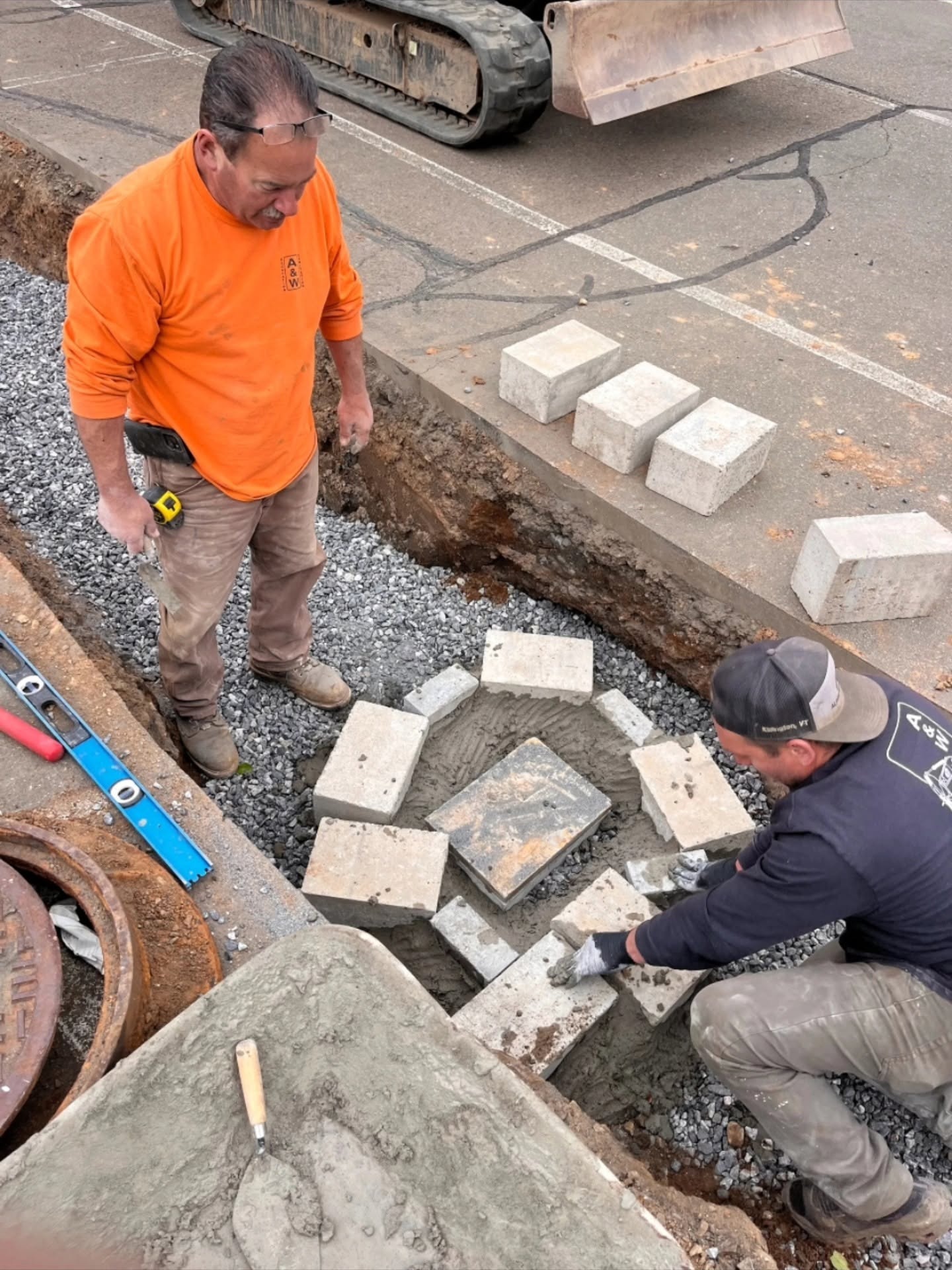
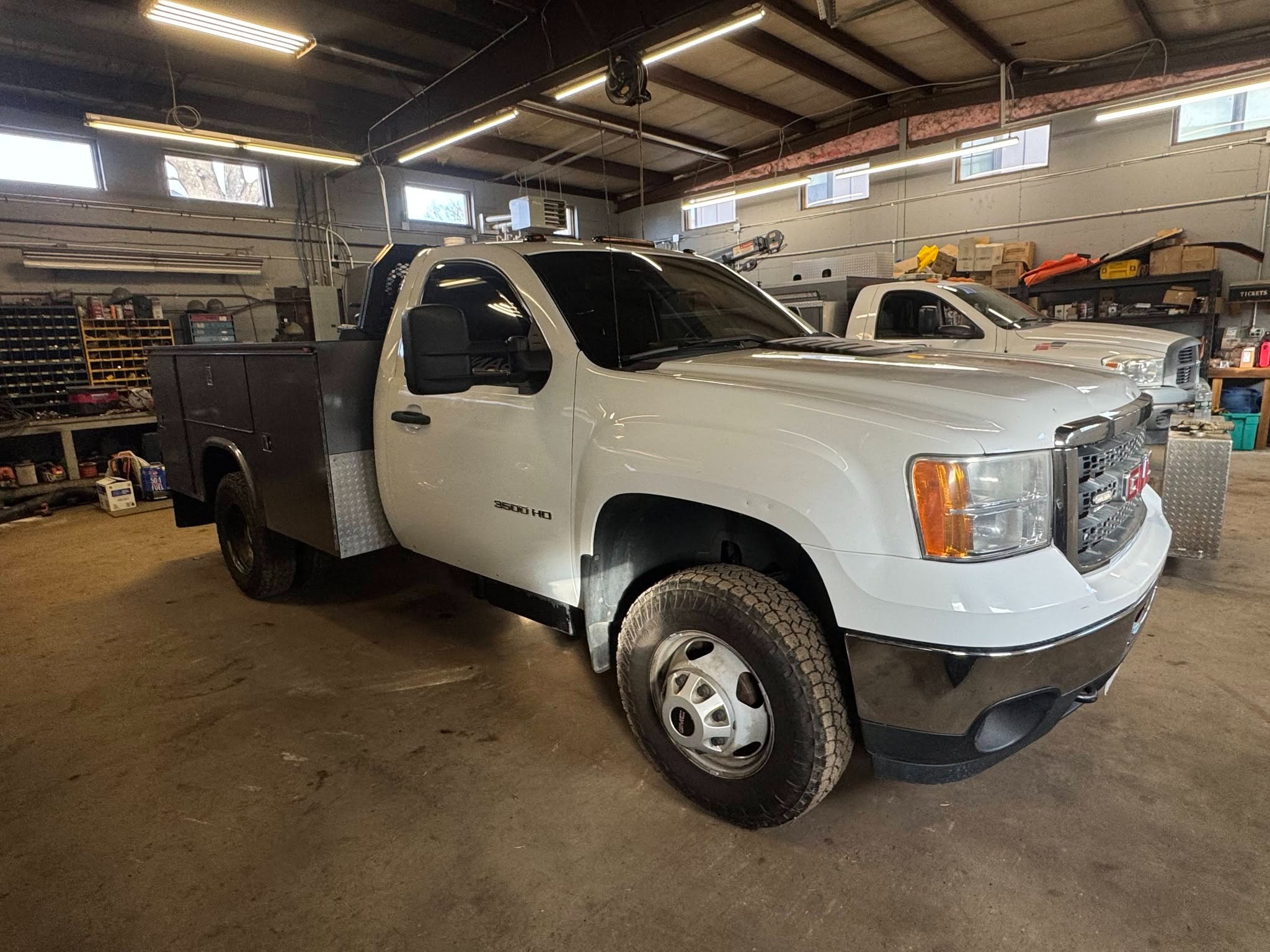
A septic professional can locate components, review clearances, identify warning signs, and coordinate septic or residential excavation work before construction begins. A&W Sanitation provides septic and residential excavation services for local homeowners.
Frequently Asked Questions
How can homeowners locate their septic tank and drain field before starting yard work?
Public utility marking services may identify participating underground utility lines, but private septic components are often not included. Property records, previous inspection reports, or a septic professional may be needed to locate the tank, connecting pipes, and drain field accurately.
Can I drive a small machine over the drain field?
Avoid driving or parking machinery over the drain field. Even smaller equipment can compact soil or damage shallow components.
What can I plant over a drain field?
Grass and shallow-rooted ground cover are usually safer. Avoid trees, large shrubs, and plants with aggressive roots near the system.
Can I build a patio near my septic system?
A patio may be possible only after the tank, pipes, drain field, drainage, clearances, and service access have been evaluated.
What should I do if septic odors begin after digging?
Reduce water use and arrange an inspection. Odors may indicate a damaged line, disturbed component, or another flow problem.
Protect the System Before Outdoor Work Begins
Summer yard improvements should not place buried septic components at risk. Locating the system, controlling equipment routes, choosing suitable landscaping, and preserving access can prevent avoidable damage.
Before starting a major yard project, Schedule a professional septic evaluation with A&W Sanitation. Early planning can protect the tank, drain field, and underground pipes while helping the project move forward safely.