Septic Backups in Winter: Is Your Effluent Filter Clogged?
Winter Septic Backup Prevention
Winter septic backups can have several causes, including frozen pipes, excessive tank solids, and restricted effluent filters. When sinks, toilets, or showers begin draining slowly, identifying the source is important before the problem leads to further damage.
An effluent filter helps prevent suspended solids from leaving the septic tank and entering the drain field. If material builds up on the filter, it can restrict wastewater flow and contribute to drainage problems. For homeowners across Connecticut's shoreline, understanding the warning signs can help determine when a professional septic inspection is needed.
What Is a Septic Effluent Filter?
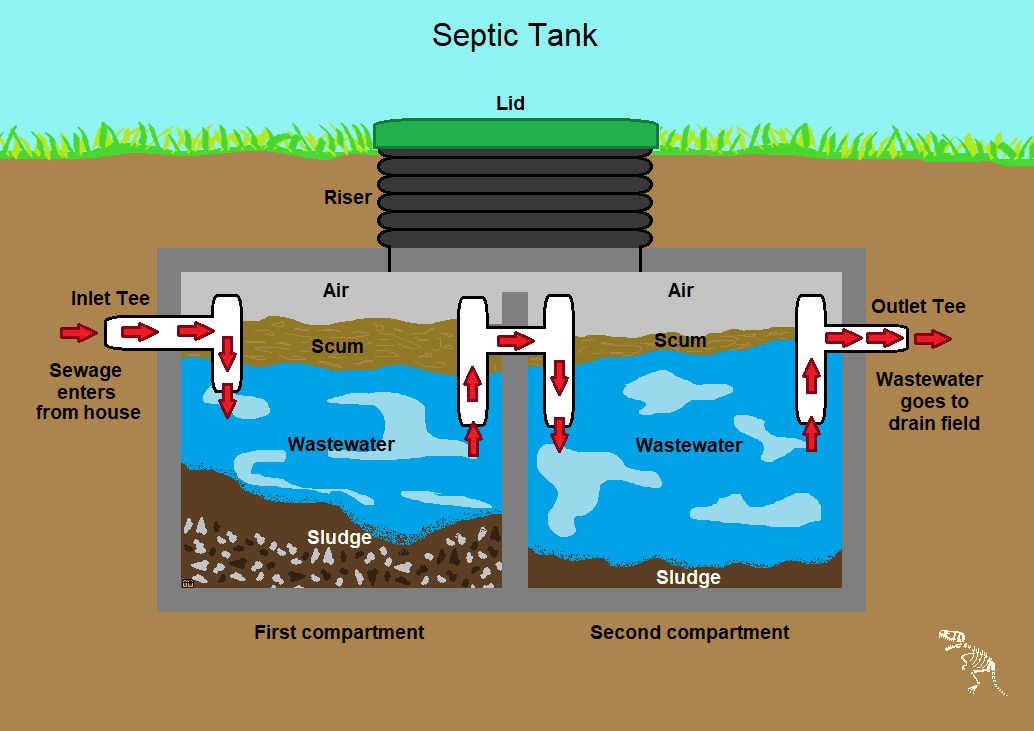
An effluent filter is fitted near the septic tank outlet. It captures suspended solids before wastewater flows toward the drain field, helping protect the field from excess solids.
The filter is a separate component from the tank's sludge and scum layers. It also requires its own inspection and cleaning; routine tank pumping does not automatically mean the filter has been cleaned. A&W Sanitation provides septic system maintenance and repair services, including effluent filter cleaning and inspection. For professional assistance, explore its septic repair and maintenance services.
How Does an Effluent Filter Become Clogged?
As wastewater passes through the filter, suspended particles collect on its screen. Over time, this material can restrict the openings and reduce the amount of wastewater leaving the tank.
Common contributing factors include:
- Accumulated solids: Particles in wastewater gradually collect on the filter during normal system use.
- Infrequent cleaning: Delayed maintenance allows retained material to build up.
- Excessive tank solids: High sludge and scum levels can increase the risk of solids reaching the outlet area.
- Unsuitable household waste: Flushing wipes, paper towels, and hygiene products can contribute to septic system problems and increase the amount of solid waste entering the tank.
- High wastewater flow: Heavy household water use can make an existing filter restriction more noticeable by increasing the volume of wastewater entering the system.
Cleaning frequency depends on the filter design, septic system size, household use, and accumulated solids. Have the filter inspected during routine septic maintenance and cleaned when necessary. For additional information, consult Penn State Extension's guidance on septic tank effluent filters.
Warning Signs of a Clogged Effluent Filter
A restricted filter can interfere with wastewater leaving the septic tank. Possible warning signs include:
- Multiple slow drains: Several sinks, showers, or toilets draining slowly may indicate a restriction in the septic system.
- Gurgling sounds: Bubbling or gurgling from drains can indicate that wastewater is not moving through the plumbing normally.
- Repeated backups: Wastewater backing up into fixtures can signal a significant drainage problem.
- Sewage odors: Persistent odors inside the home or near the septic system require investigation.
- Recurring drainage problems: Repeated slowdowns may indicate an unresolved restriction or another system issue.
These symptoms do not confirm that the effluent filter is clogged. A professional inspection is needed to identify the actual cause.
Why Winter Can Make Septic Problems More Noticeable
An effluent filter can become restricted in any season, but winter conditions can create additional challenges for septic systems in Connecticut:
- Frozen pipes: Shallow or poorly protected wastewater lines may freeze and interrupt flow.
- Snow and snowmelt: Snow-covered access points can make septic maintenance more difficult, while snowmelt can contribute to saturated soil around the drain field.
- Delayed maintenance: Postponed inspections or filter cleaning can allow existing restrictions to remain unnoticed.
A frozen wastewater line and a clogged effluent filter are different problems and require different assessments. A&W Sanitation's winter septic preparation guidance provides additional seasonal maintenance advice.
Is a Clogged Filter the Only Cause of a Winter Backup?
No. Several other problems can produce similar symptoms:
- Frozen wastewater pipes: Ice can obstruct a vulnerable section of the line.
- Excessive tank solids: High sludge and scum levels can affect tank operation and increase the risk of solids reaching downstream components.
- Drain field problems: Saturated soil or damaged distribution components can interfere with wastewater absorption.
- Blocked plumbing lines: A blockage between the house and septic tank can cause slow drains or backups.
- Damaged components: A failed outlet baffle or damaged filter housing may affect wastewater movement.
The inspection may therefore need to cover the tank, filter, outlet components, connecting pipes, and drain field rather than focusing on the filter alone.
What to Do If You Suspect a Clogged Filter
If drains slow down or wastewater backs up, take these precautions:
- Reduce water use: Limit unnecessary laundry, long showers, and simultaneous appliance use.
- Monitor the symptoms: Note which fixtures are affected and whether gurgling, odors, or backups occur.
- Avoid chemical drain cleaners: These products do not resolve a clogged effluent filter or diagnose a septic system restriction.
- Stay away from open tank access points: Never enter a septic tank or lean over an open access point. Septic tanks contain hazardous gases and wastewater.
- Arrange professional service: A septic professional can inspect the filter and assess other possible causes.
If sewage enters the home, keep people and pets away from the affected area, avoid direct contact, and seek prompt professional assistance.
What Happens During a Professional Inspection?
The inspection depends on the symptoms and the system's configuration. A septic professional may:
- Check sludge and scum levels inside the tank.
- Inspect the filter for buildup, damage, or restricted openings.
- Examine the outlet baffle and related components.
- Assess wastewater movement through the outlet.
- Check connecting pipes and the drain field when necessary.
If the filter is clogged but undamaged, cleaning may restore its intended flow. A damaged filter or housing may require repair or replacement.
A&W Sanitation's maintenance service includes effluent filter cleaning, baffle checks, distribution box evaluation, and a visual drain field assessment. Its repair services also address failed effluent filters and other septic system components. If your inspection identifies a filter blockage or another septic system issue, schedule professional septic inspection, maintenance, or repair services with A&W Sanitation for assistance.
How to Reduce the Risk of Filter Blockages
Regular maintenance can help identify filter buildup before it contributes to drainage problems. Homeowners should:
- Have the septic system inspected according to its condition and maintenance requirements.
- Ask for the effluent filter to be checked and cleaned when needed.
- Follow the filter manufacturer's maintenance recommendations.
- Keep wipes, paper towels, hygiene products, and grease out of household drains.
- Spread out heavy household water use rather than sending large volumes into the system at once.
- Maintain records of pumping, inspections, filter cleaning, and repairs.
- Protect vulnerable pipes from freezing and keep heavy vehicles away from septic areas.
The U.S. Environmental Protection Agency's septic system maintenance guidance explains that effluent filters may require frequent maintenance and should be included in regular inspection and maintenance activities.
Frequently Asked Questions
1. What happens when a septic effluent filter gets clogged?
When the filter becomes restricted, less wastewater can pass through the tank outlet. The liquid level inside the tank may rise, and the restriction can contribute to slow drainage or backups if it becomes severe.
2. Can cold weather cause an effluent filter to clog?
Cold weather does not automatically clog an effluent filter. Solids accumulate on the filter during normal use, while frozen pipes can independently obstruct wastewater flow and produce similar symptoms.
3. How often should an effluent filter be cleaned?
Cleaning frequency depends on the filter design, septic system size, household wastewater use, and accumulated solids. Have the filter checked during routine septic inspections and tank pumping, and follow the manufacturer's maintenance instructions and your septic professional's recommendations.
4. Can a clogged filter cause sewage to back up into the house?
A severely restricted filter can contribute to a backup by limiting wastewater flow out of the tank. However, a backup inside the house can also result from blocked plumbing, frozen pipes, or other septic system problems. An inspection is needed to determine the cause.
5. Should I clean my effluent filter myself?
Some filters are accessible for removal and rinsing, but the work requires care. Septic tanks contain hazardous gases and wastewater, so consulting a qualified septic professional is the safer option. Never enter a tank or lean over an open access point.
6. Does pumping a septic tank automatically clean the filter?
No. Pumping removes accumulated sludge and scum from the tank, while filter cleaning is a separate maintenance task. Ask the service provider to confirm that the filter has also been inspected and cleaned when necessary.
Keep Your Septic System Flowing Properly This Winter
A clogged effluent filter can restrict wastewater flow, but winter backups may also result from frozen pipes, excessive tank solids, or drain field problems. Identifying the cause is essential before deciding which maintenance or repair work is needed.
A&W Sanitation provides septic inspections, effluent filter cleaning, pumping, and repair services for homeowners across Connecticut's shoreline. If you are experiencing drainage problems or suspect a filter restriction, Contact A&W Sanitation about its septic repair and maintenance services to discuss an appropriate assessment for your system.