Septic Drain Field Problems in Summer: When Repair, Restoration, or Replacement Is Needed
Why Septic Drain Field Problems Can Develop During Summer
A drain field plays an essential role in receiving, treating, and dispersing wastewater after it leaves the septic tank. If the surrounding soil cannot accept wastewater effectively, homeowners may begin noticing problems inside the home or around the septic area. The EPA notes that an overloaded drain field can lead to wastewater reaching the ground surface or backing up into household plumbing.
For homes along the Connecticut Shoreline, several different summer conditions can place additional stress on a septic system. Higher household water use increases the volume entering the system, while periods following heavy rainfall can leave drain-field soil saturated. Poor property drainage and summer yard activity can create additional concerns.
How Summer Conditions Affect Drain Field Performance
Increased Household Water Use
Guests, additional showers, laundry, dishwashing, and other summer activities can increase wastewater flow. When a large amount of water enters within a short period, the drain field has more wastewater to accept and disperse.
Heavy Rainfall and Saturated Soil
Following heavy rain, soil around the drain field may already contain significant moisture. Saturated soil has less capacity to accept additional wastewater, which can temporarily affect system performance. Poor site drainage may cause these wet conditions to last longer.
Soil Compaction and Yard Activity
Vehicle traffic, heavy equipment, or construction activity over a wet drain field can compact the soil and reduce its ability to handle wastewater properly. EPA guidance specifically advises avoiding heavy equipment around saturated drain-field areas.
Warning Signs That a Drain Field Needs Attention
Drain field problems often develop gradually, and the first signs may appear both inside the home and around the septic area. Recognizing these changes early can help homeowners address the underlying issue before system performance declines further.
Common warning signs include:
- Standing water or persistently wet soil near the drain field
- Sewage odors around the septic area
- Slow drains in multiple parts of the home
- Gurgling plumbing fixtures
- Unusually green or spongy grass over the field
- Wastewater surfacing above or near the drain field
- Sewage backing up into household plumbing
These symptoms do not automatically confirm drain field failure. The location, timing, and combination of problems can help determine whether the issue involves the drain field, tank, piping, drainage conditions, or another septic component.
If these symptoms persist, explore A&W Sanitation’s septic repair and drain-field restoration services to determine the appropriate solution for your system.
Temporary Saturation vs. a Failing Drain Field
A wet drain field after heavy rainfall does not automatically mean the system needs replacement.
When surrounding soil is saturated, wastewater absorption may temporarily slow. Reducing unnecessary water use and allowing the ground to dry may improve conditions. EPA guidance recommends limiting water use while a drain field remains saturated.
Persistent or recurring problems are more concerning. Standing water, odors, slow drainage, or surfacing wastewater that continue after surrounding soil conditions improve should be professionally evaluated.
What Homeowners Can Check Safely
Homeowners can gather useful information without opening the septic tank or disturbing buried components.
Before scheduling an inspection, note:
- Whether wet areas remain after nearby soil has dried
- Whether odors are concentrated near the drain field
- Whether several household drains are affected
- Whether one section of grass appears unusually green or spongy
- Whether symptoms began after heavy rain, increased water use, or yard work
Avoid digging, driving, or operating heavy equipment over a wet drain-field area. If these conditions continue, Contact A&W Sanitation to arrange a professional septic evaluation and identify the appropriate next step for your system.
How an Inspection Determines the Right Solution
A professional septic inspection can evaluate the tank, piping, distribution components, drain field, maintenance history, and signs of unequal drainage or standing wastewater. EPA guidance notes that drain-field inspection may include checking for surface water, uneven drainage, and other evidence of system malfunction.
The findings help distinguish between three different approaches.
When Is Drain Field Repair Appropriate?
Repair addresses a specific, identifiable problem.
A targeted repair may make sense when the issue is localized to a particular line, distribution component, connection, or another correctable part of the septic system rather than widespread drain-field deterioration.
The purpose is to correct the diagnosed fault without replacing parts of the system that remain functional.
When Does Drain Field Restoration Make Sense?
Restoration focuses on recovering the performance of an existing drain field where continued use is still feasible.
It may be considered when the field's performance has declined but its overall condition and site circumstances support keeping the existing field in service.
Restoration is not appropriate for every failing drain field. Widespread deterioration or conditions that prevent reliable wastewater dispersal may make replacement the more appropriate option.
A&W Sanitation specifically lists septic-system repair and drain-field restoration among its septic services.
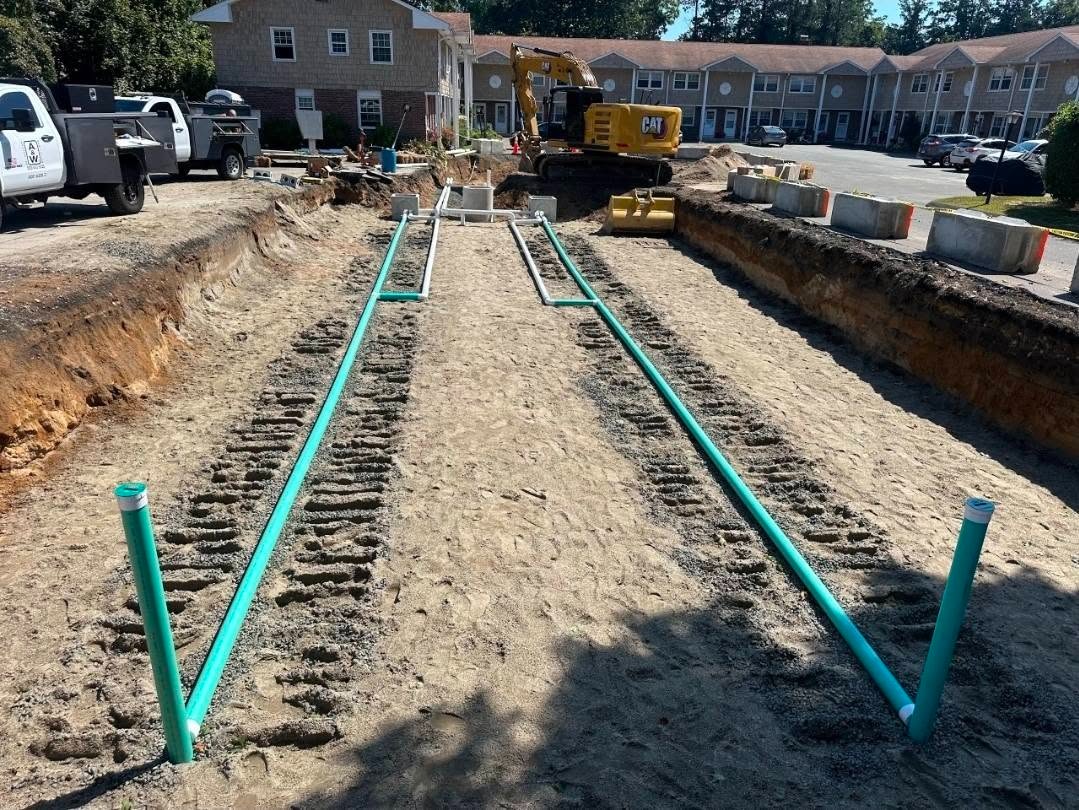
When Is Drain Field Replacement Necessary?
Replacement may become necessary when the existing field can no longer reliably accept and disperse wastewater.
This may involve widespread deterioration, repeated failure despite appropriate repairs, or an older field that can no longer provide reliable performance.
The EPA notes that older drain fields can gradually lose capacity as the natural **biomat a bacteria layer that forms along drain-field trenches **thickens over time. This can contribute to ponding, surfacing wastewater, or backups.
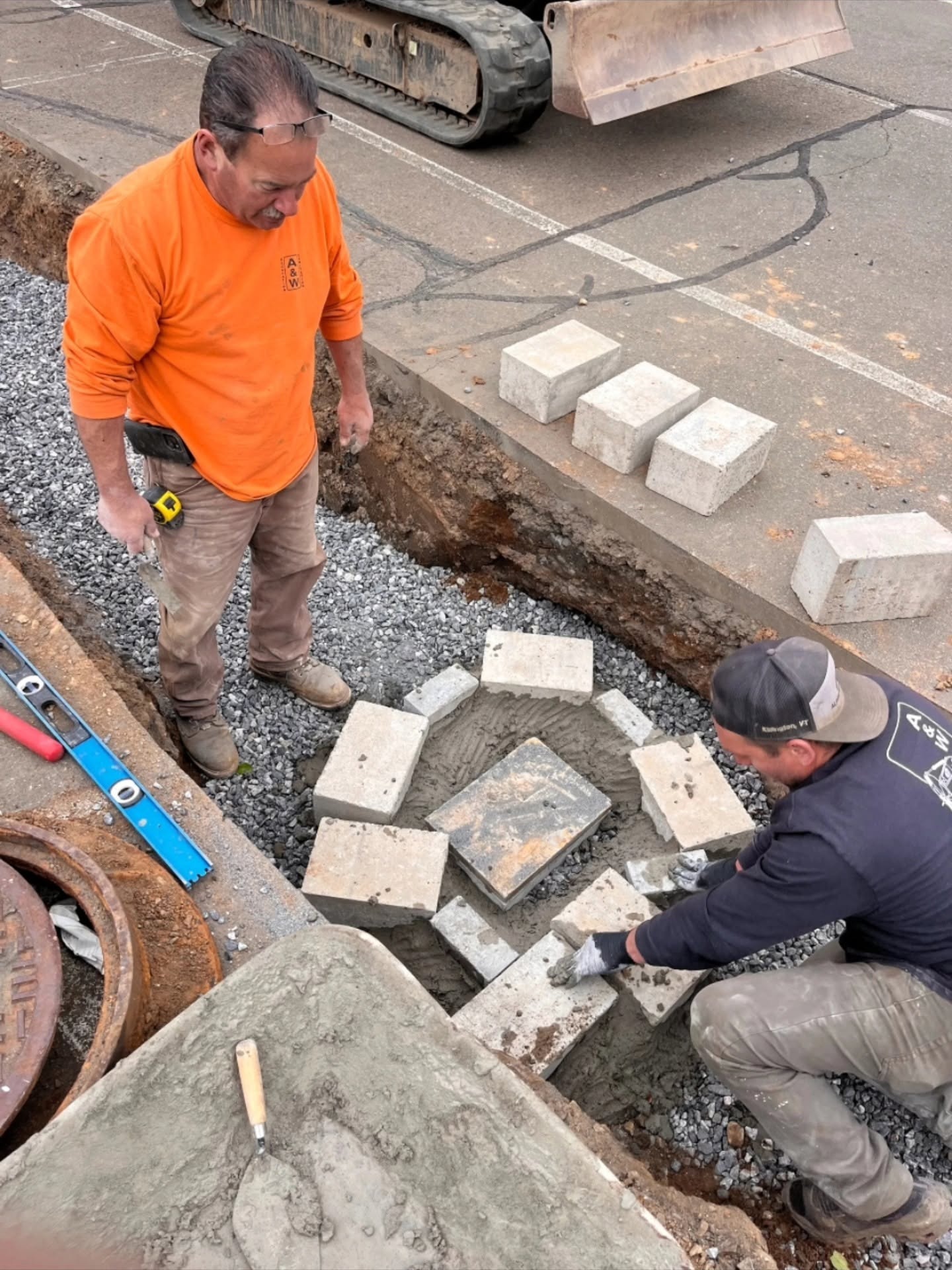
When replacement is necessary, the new system should be based on property conditions such as soil, slope, wastewater load, and applicable requirements. A&W provides septic-system installation and also offers related excavation, grading/sloping, and drainage-trench services.
Frequently Asked Questions
What are the most common signs of a drain field problem?
Standing water, wet or spongy soil, sewage odors, unusually green grass, slow drains, and wastewater surfacing near the septic area can indicate a problem that needs evaluation.
Can heavy summer rain cause temporary drain field problems?
Saturated soil after heavy rainfall can temporarily reduce the field's ability to accept wastewater. Recurring symptoms after the soil dries are more concerning.
What is the difference between drain field repair and restoration?
Repair addresses a specific fault, while restoration aims to recover the performance of an existing drain field when continued use remains practical.
Does standing water mean the drain field needs replacement?
Not necessarily. Standing water can result from rainfall, poor drainage, hydraulic overload, or septic-system problems. An inspection is needed to identify the cause.
When should a drain field be replaced?
Replacement may be appropriate when deterioration is widespread, problems repeatedly return, or the existing field can no longer reliably accept and disperse wastewater.
Get the Right Solution for Your Septic Drain Field
Summer drain-field problems can result from temporary soil saturation, localized septic issues, declining field performance, or conditions that require replacement. The right solution depends on identifying the actual cause before deciding on repair, restoration, or a new system.
If you are noticing standing water, sewage odors, slow drains, unusually green or spongy grass, or recurring wastewater problems around your septic area, Schedule a professional septic evaluation with A&W Sanitation & Excavation. Serving homeowners across the Connecticut Shoreline, the team can inspect your system and recommend the appropriate drain-field repair, restoration, drainage improvement, or septic-system replacement based on your property and system conditions.